

The Power of togetherness
Like many sectors, the life of journalists and media professionals was thrust into a relentless 24/7 cycle from the very first day of the recent escalations. In times of uncertainty, the media’s responsibility extends beyond reporting—it becomes a duty to inform, guide, and reassure.
As frontline communicators, we found ourselves not only covering developments but also closely monitoring the pulse of society—particularly the anxieties, questions, and reactions unfolding across social media. What stood out was not just the volume, but the urgency of public sentiment.
In a single day, our WhatsApp channels received thousands of messages. Over 39 days, our digital platforms recorded more than 2.5 million interactions—each reflecting real human concerns.
We answered calls patiently—even as we wrote this column, we received queries about the airport reopening.
Some tenants had relocated to safer areas but were still being asked to pay the full rent. Others worried about overstaying due to flight disruptions. Some messages were deeply personal— questions as simple, yet profound, as: “Is it safe to sleep tonight?”
Even within our newsroom, amid long hours, moments of humanity stood out. A reader suggested replacing the siren with music to make it less distressing. It was a simple thought—but it reflected something deeper: even in tense times, people seek ways to make life gentler.
We responded to each concern with care and responsibility. What humbled us most was the trust people placed in us as a credible source during confusion.
As days passed, the tone began to shift. Alongside serious concerns came everyday queries—chartered flights, employment rights, routine clarifications. It was a quiet but powerful sign: life was finding its rhythm.
Perhaps the most remarkable takeaway was the resilience of Bahrain’s expatriate community.
Despite alerts and anxiety, the overwhelming majority chose to stay. Travel was limited to emergencies or prior commitments. There was no widespread panic-driven exodus. On the contrary, many expressed a sense of safety in Bahrain—often more than in their home countries.
This confidence reflects deep trust in Bahrain’s leadership and governance. Messages of appreciation for the Kingdom’s preparedness and frontline efforts were consistent and heartfelt.
Bahrain once again proved it is more than a nation—it is a model of coexistence, where people of different backgrounds feel equally protected and valued. Having lived here for over three decades, I say with conviction that few places inspire such a sense of belonging.
As the region steadies, the economic impact remains. Yet recovery depends not only on policy, but on people.
Expatriates are a vital pillar of Bahrain’s economy, and their decision to stay, work, and contribute during uncertainty is itself a stabilising force. At this moment, their role becomes even more significant—by enhancing productivity, strengthening commitment, and prioritising overall wellbeing. Bahrain’s true strength lies not just in its systems, but in its people.
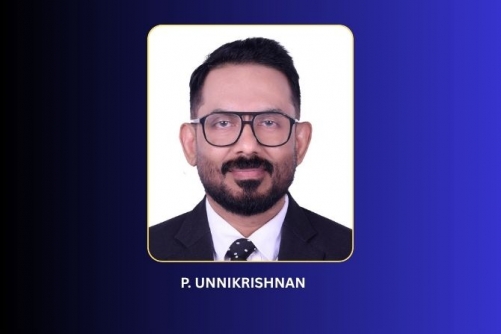
(The author is the Chairman & Managing Director of The Daily Tribune)
Related Posts