

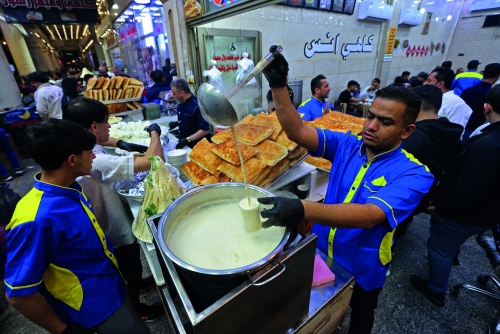
Ramadan night economies: Commerce after sunset
As the call to Maghrib prayer echoes across Gulf skylines and families gather to break their fast, a parallel transformation begins to unfold in cities throughout the Middle East. What appears tranquil during daylight hours shifts dramatically after sunset. Streets fill, markets glow, cafés hum with conversation and shopping districts bustle well past midnight. Economists and urban planners increasingly refer to this phenomenon as the “Ramadan night economy” — a seasonal reconfiguration of commercial life shaped by faith, culture and social rhythm.
During Ramadan, daily routines adjust to accommodate fasting hours. While daytime business activity may slow in some sectors, commercial energy does not diminish; it simply migrates into the night. Retail outlets extend operating hours, restaurants prepare for peak demand after iftar, and transport systems adapt to serve a population whose most active hours begin after dusk.
Retail Peaks and Seasonal Spending
Across major Gulf cities, retail performance often strengthens during Ramadan, particularly in the final ten nights leading up to Eid al-Fitr. Families prepare for the celebration with purchases ranging from traditional garments and perfumes to luxury goods and gifts. Many brands launch exclusive Ramadan collections, incorporating modest designs and subtle cultural motifs that resonate with the season.
Shopping malls transform into illuminated gathering spaces rather than mere commercial hubs. Decorative lanterns, themed displays and extended hours create an atmosphere that blends festivity with refinement. Analysts note that Ramadan spending patterns tend to focus not only on personal consumption but also on gifting — reinforcing social ties through generosity.
E-commerce platforms have also reported steady growth in Ramadan sales in recent years. Consumers increasingly combine tradition with convenience, ordering clothing, home décor and specialty foods online while reserving in-person visits for social outings.
Hospitality and Culinary Expansion
The hospitality sector experiences one of the most visible surges during Ramadan nights. Hotels, particularly in regional capitals, curate elaborate iftar and suhoor experiences that draw residents, diplomats and international visitors alike. Lavish buffets featuring regional specialties, live cooking stations and refined settings reflect the importance of hospitality in Arab culture.
Restaurants often shift operational strategies to focus on evening service. Reservations peak within the first hours after sunset and again close to midnight for suhoor gatherings. Temporary Ramadan tents — elegantly designed spaces blending tradition with contemporary luxury — emerge across hotel grounds and waterfront promenades.
For many establishments, Ramadan represents both an economic opportunity and a reputational showcase. Service quality, ambiance and culinary authenticity are carefully curated to align with the spiritual tone of the month while meeting elevated expectations.
Transport, Logistics and Urban Planning
Behind the visible vibrancy of Ramadan nights lies a complex logistical adaptation. Public transport authorities frequently extend metro and bus schedules to accommodate late-night commuters. Ride-hailing services see increased demand in the hours following iftar, particularly near commercial centers and mosques.
Supply chains also adjust. Food distributors operate on altered timetables to ensure fresh deliveries ahead of evening service peaks. Supermarkets restock during off-peak hours to prepare for concentrated night-time purchasing patterns.
Urban planners observe that Ramadan offers a unique case study in temporal city management — where infrastructure and services pivot to support a society operating on reversed rhythms for an entire month.
Balancing Spirituality and Commerce
Religious scholars consistently emphasize that commercial activity during Ramadan should remain aligned with the principles of moderation and ethical conduct. While night economies thrive, the essence of the month remains spiritual reflection, charity and discipline.
In many Gulf countries, philanthropic campaigns intensify alongside commercial expansion. Businesses frequently pair promotional campaigns with charitable contributions, supporting food drives and community initiatives. This dual dynamic — commerce intertwined with compassion — reflects the distinctive character of Ramadan markets.
A Seasonal Yet Enduring Influence
Though the Ramadan night economy is seasonal, its impact extends beyond the month itself. Hospitality innovations, retail strategies and digital engagement tools introduced during Ramadan often influence business models throughout the year.
More profoundly, the phenomenon demonstrates how faith shapes economic patterns in tangible ways. Rather than diminishing productivity, Ramadan redistributes it, aligning commerce with cultural rhythm. The marketplace adapts to spirituality, and the city recalibrates itself around collective devotion.
As midnight approaches in Gulf capitals and families continue their gatherings beneath lantern-lit tents and illuminated skylines, the Ramadan night economy stands as a testament to the region’s ability to harmonize tradition with modern enterprise — where faith does not pause commerce, but reshapes it after sunset.
Related Posts