

Don't Spike It
TDT | Manama
Email: mail@newsofbahrain.com
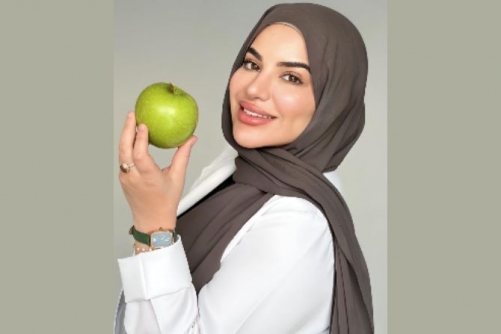
"The biggest mistake is the belief that long hours of fasting means your body will automatically burn fat, no matter what you eat at Iftar," says Dr. Abrar Omran, an Entrepreneur and Clinical Dietitian (RD). In an exclusive discussion with The Daily Tribune (TDT), she shared some vital "late-Ramadan" wisdom to help us finish the month healthy and vibrant, rather than feeling sluggish and bloated.
The scientific reality, according to Dr. Abrar, is that fat burning stops the moment your insulin spikes. This is exactly what happens when we break our fast with sugary drinks, fried appetizers, or heavy white carbs. Instead of staying in "burn mode," the body gets overwhelmed by the sudden sugar rush and begins storing that energy as fat. To keep your metabolism working, she says “the way you break your fast is actually more important than the hours spent fasting”.
Moving to the suhoor, Dr. Abrar warns that some popular foods "trick" us into feeling full, only to leave us tired and thirsty later. White bread, pastries, and sweets cause your blood sugar to crash quickly, leading to early hunger. Meanwhile, salty foods like pickles or fast food trigger thirst centers in the brain and cause water retention. For a "Smart Suhoor," she recommends a simple mix of protein (like eggs or Greek yogurt), healthy fats (like nuts or avocado), and complex carbs (like oats or whole-grain bread). This combination slows down digestion and keeps your energy steady until sunset.
Finally, for those struggling with the dreaded "food coma" or bloating after the main meal, Dr. Abrar emphasizes that “the order of your food is the secret”. She suggests starting gently with water and dates to wake up the liver, followed by a short break to let the digestive system prepare. "When you jump straight into a heavy, fatty meal, a massive amount of blood rushes to your stomach," she told TDT. "This reduces blood flow to the brain, which is why you feel so sleepy and sluggish." By eating in stages dates first, then soup, then the main course you can avoid heartburn and finish your Ramadan feeling light and refreshed.
Related Posts