

Hormuz Crisis Escalates as Attacks Disrupt Global Energy Lifeline
Tensions in the Strait of Hormuz have intensified sharply, with new figures revealing the scale of disruption to one of the world’s most critical trade routes. The latest data shared by Dr. Sultan Ahmed Al Jaber highlights a growing crisis that could have far-reaching consequences for global energy supplies and economic stability.
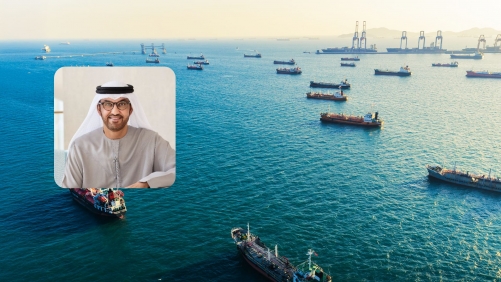
According to the figures, at least 22 ships have been attacked in recent developments, resulting in the deaths of 10 crew members. The situation has also left nearly 800 commercial vessels stranded in the region, including close to 400 oil tankers. In total, around 20,000 seafarers are currently unable to safely transit through the corridor.
The Strait of Hormuz is a vital artery for global trade, carrying more than 20 percent of the world’s energy supplies. Any disruption in this narrow passage has immediate implications for oil prices, supply chains, and overall economic stability. The current backlog of vessels signals a severe slowdown in shipping movements, further compounding concerns.
In his statement, Dr. Al Jaber stressed that the situation is not merely a regional issue but a global threat. He warned that any attempt to restrict or disrupt navigation through the Strait would endanger energy, food, and health security worldwide. Describing the developments as both illegal and dangerous, he emphasized that such actions could set a troubling precedent with serious international consequences.
As tensions continue to rise, the unfolding situation in the Strait of Hormuz is being closely monitored by global markets and policymakers alike. With shipping flows under strain and risks mounting, the crisis underscores the vulnerability of critical trade routes and the urgent need for stability in the region.
Related Posts