

Nations Relying on Hormuz Oil Must Help Protect Route
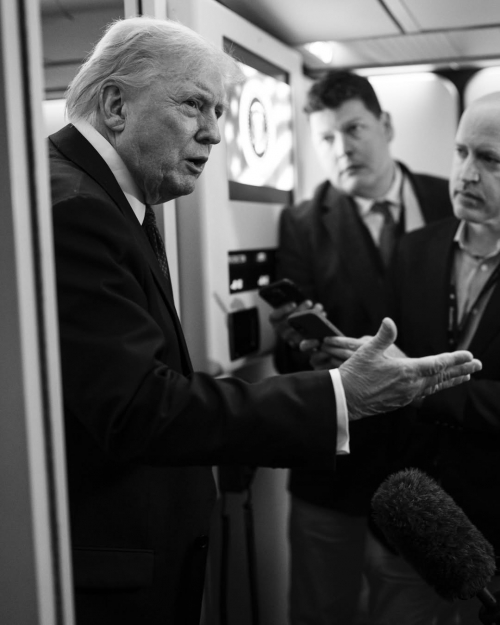
US President Donald Trump said on Sunday that other countries should play a greater role in protecting the Strait of Hormuz, arguing that many nations depend on the critical shipping route more than the United States.
Speaking to reporters aboard Air Force One, Trump said countries that rely heavily on oil shipments passing through the narrow waterway, particularly China, should contribute to safeguarding it.
“I’m demanding that these countries come in and protect their own territory, because it is their territory,” Trump said. “It’s the place from which they get their energy. And they should come and they should help us protect it.”
Trump questioned why the United States should continue bearing the primary responsibility for securing the route, describing the waterway as more important for other economies.
“Why are we maintaining the Hormuz Strait when it’s really there for China and many other countries? Why aren’t they doing it?” he asked.
Trump also claimed that about 90 percent of China’s crude oil imports pass through the strait, while the United States relies on it for only “1% or 2%” of its oil supply.
However, analysts note that Beijing has spent the past two decades diversifying its energy sources and building strategic reserves to reduce its vulnerability to disruptions in the Gulf region.
The Strait of Hormuz is one of the world’s most critical maritime chokepoints, with a significant share of global oil shipments passing through the narrow channel connecting the Persian Gulf with the Gulf of Oman and the wider international markets.
Germany does not see role for NATO in securing Strait of Hormuz
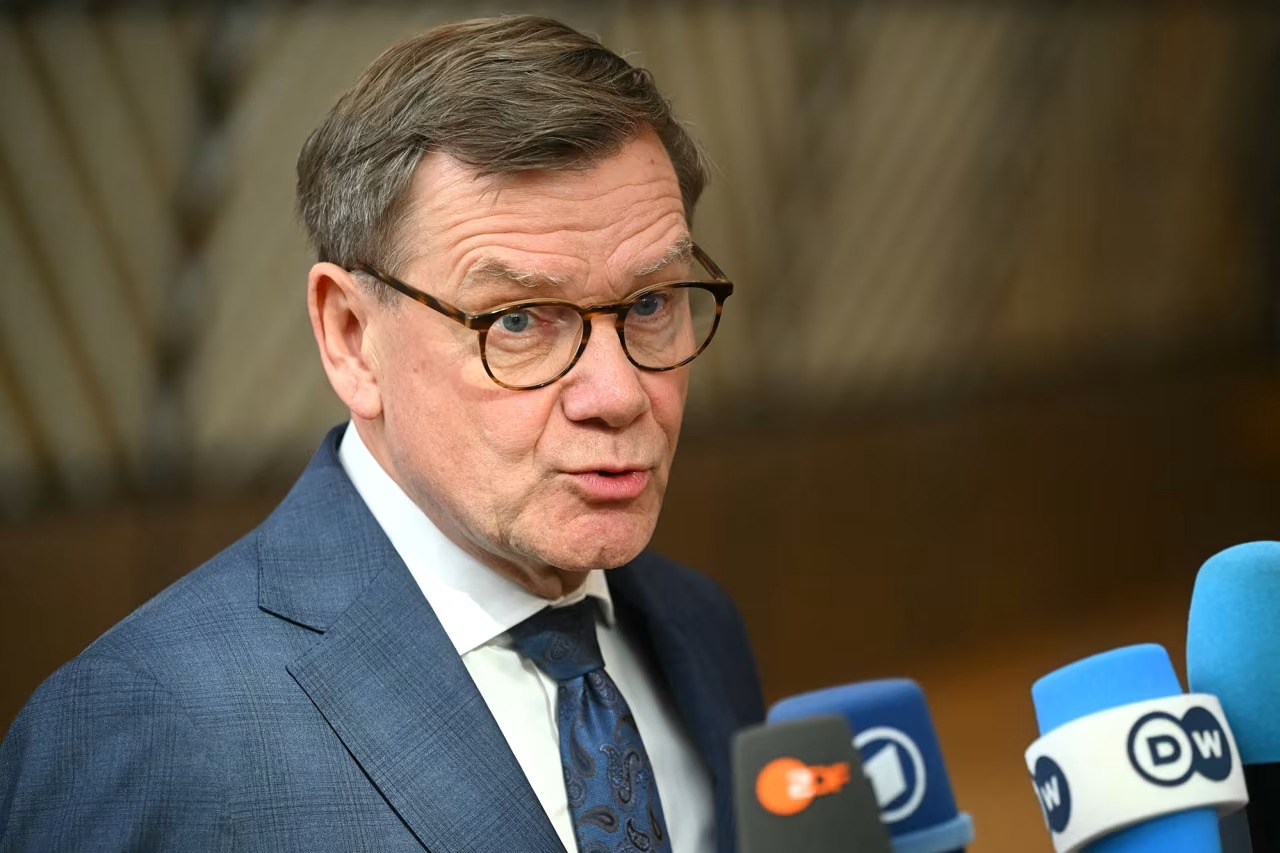
Germany said on Monday that NATO should not play a role in securing the vital Strait of Hormuz, despite a warning from Donald Trump that the alliance could face a “very bad” future if it fails to assist.
Speaking ahead of a meeting of foreign ministers from European Union member states in Brussels, German Foreign Minister Johann Wadephul said Berlin does not believe NATO should assume responsibility for protecting the strategic shipping route.
Wadephul added that Germany instead supports imposing sanctions on those responsible for blocking the crucial maritime passage, which is a key route for global energy shipments.
The remarks come amid rising international concern over the security of the Strait of Hormuz, one of the world’s most important waterways for oil and trade transport.
UK Working With Allies on Plan to Reopen Strait of Hormuz, Says Keir Starmer
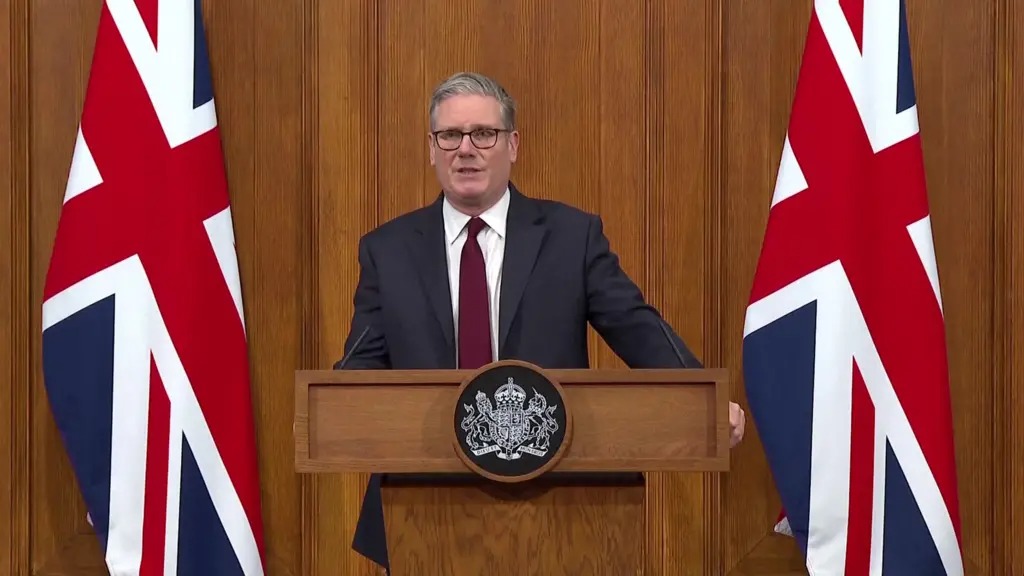
The United Kingdom is working closely with its international partners to develop a viable plan to reopen the strategically vital Strait of Hormuz, Prime Minister Keir Starmer said on Monday.
Starmer stated that recent military operations by the United States had “massively weakened” the military capabilities of what he described as the “abhorrent regime” in Iran.
However, he stressed that the current conflict would ultimately need to be followed by diplomatic efforts. According to Starmer, a negotiated agreement will be necessary to limit Iran’s ability to rebuild its nuclear programme and to safeguard international shipping routes.
He also emphasized the importance of reopening the Strait of Hormuz, one of the world’s most critical energy and trade corridors, in order to stabilize global markets.
“The Strait of Hormuz must be reopened to ensure stability in the markets,” Starmer said, adding that the task will not be easy.
“That is not a simple task,” he noted, explaining that the UK is coordinating with “all of our allies” to develop a practical plan aimed at restoring freedom of navigation in the region.
Related Posts