

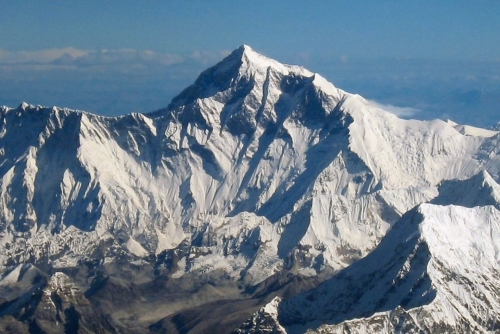
Nepal Bans Solo Climbs on Mount Everest and 8,000m Peaks
TDT | Manama
Email: mail@newsofbahrain.com
Nepal has officially ended the era of solo climbing on Mount Everest and other Himalayan peaks above 8,000 metres, with new mountaineering regulations coming into force from September 1.
Under the Sixth Amendment of the Mountaineering Regulation, published in the Nepal Gazette earlier this year, climbers attempting peaks over 8,000 metres must now be accompanied by certified altitude workers or mountain guides. For smaller peaks, at least one licensed guide per team is mandatory. The government has ruled that no climber, regardless of experience, will be permitted to attempt a solo ascent.
The revised regulations also include a significant increase in climbing royalty fees. The cost of a spring expedition to Mount Everest via the traditional south route has risen from USD 11,000 to USD 15,000 per climber. Fees for autumn ascents have been raised from USD 5,500 to USD 7,500, while winter and monsoon expeditions will now cost USD 3,750, up from USD 2,750. Other 8,000-metre peaks have also seen fee increases, with spring season royalties nearly doubling from USD 1,800 to USD 3,000. Nepali climbers are not exempt from the hike, with spring royalties doubled from NPR 75,000 to NPR 150,000.
In addition, family members of climbers, guides, and high-altitude workers are now banned from staying at Everest Base Camp without prior approval from the Department of Tourism. Expedition organisers and liaison officers are also required to submit photographic evidence of summits, with the climber’s face clearly visible against the mountain backdrop, as part of stricter verification for Everest climb certificates.
To improve working conditions, the daily allowance of liaison officers, wages of high-altitude guides, and salaries of base camp workers have been increased. Environmental protection is another focus of the updated rules: climbers must now carry biodegradable bags and return all waste, including human waste, to base camp for proper disposal.
Since 1953, nearly 8,900 people have summited Mount Everest from Nepal’s side. With these new measures, the government aims to enhance safety, ensure transparency in summit records, and reduce the growing environmental impact on the world’s highest peak.
Related Posts