

Between Love and the Ledger!
MPs are the mouthpiece of every society. Across the world — regardless of political systems — they speak known sense and new sense. Yet they’re often criticised for exactly what we expect them to do: talk boldly, take risks, and shake up the status quo. Bahrain is no different. In fact, some of the recent fasttracked initiatives by Bahraini MPs deserve loud applause. Sign-language interpreters for deaf students, the ratification of the new media law, and the push for dash cameras to enhance children’s safety are just a few progressive steps taken with courage and clarity.
Now comes a fresh debate — the family visa rule. The proposed BD 1,000 minimum income requirement for expatriate family sponsorship has been passed, based on the belief that this amount is sufficient to cover the average expatriate’s rent, education, medical costs, and basic living expenses.
As someone who has called Bahrain home for over 31 years — longer than I’ve lived in India — I can say this country is more than just a workplace. It embraces you. The love, respect, and fairness that Bahrain extends to its expatriate community are rare anywhere else in the world.
The happiness index here is high, not because Bahrain is the easiest place to make money, but because it’s the best place to live peacefully and happily. There’s no discrimination, no racial divide, and no second-class treatment. I’ve travelled widely, but few nations treat expatriates with such warmth and dignity.
Still, does the new BD 1,000 rule truly help the economy? If an employee earning BD 900 can’t bring his family, he won’t necessarily leave — he’ll simply downsize. That means fewer tenants for real estate owners, less grocery shopping, smaller school enrollments, and reduced spending. In short, less money stays in Bahrain and more is remitted abroad.
Consider also the mid-income worker who wants his family nearby. A rule that separates them could lower morale and productivity. Replace such people with lower-skilled workers, and the economy may lose more than it gains.
Meanwhile, mandatory health insurance is a wise and overdue reform. Perhaps it could first apply to those sponsoring families — helping them manage unexpected health expenses while easing the broader transition.
Policy, after all, works best when it balances national interest with human compassion. Bahrain’s success story rests on coexistence and mutual respect. Let’s not fix what isn’t broken — let’s fine-tune it, sensibly, and with the same Bahraini spirit that makes this island a pleasant home.
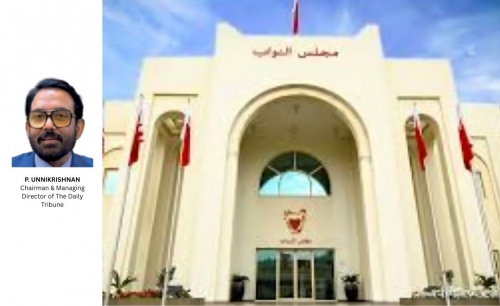
(P. Unnikrishnan is the Chairman & Managing Director of The Daily Tribune)
Related Posts