

Are We Missing the Point of Fasting?
Mindful eating during Ramadan ensures you enjoy the feast while honoring the purpose of fasting.
As the Maghrib call to prayer echoes, tables are suddenly filled with enough food to last for days, not just a single meal. We break our fast, immediately reach for sweets, and somewhere between one course and the next, the most important question gets lost: Is this truly the purpose of fasting? Ramadan was never meant to be a "food season." It is a chance to realign both soul and body. Fasting teaches moderation and self-discipline, yet the abundance of iftar gatherings and elaborate tables often lead many to overeat, which goes against the spirit of the month. The health effects show quickly fatigue, indigestion, and weight gain can even drain the energy needed for prayer and worship. So how do we enjoy the social side of Ramadan while staying healthy?
Most people fall into the "Ghabgha trap" due to heavy foods. Speaking exclusively to TDT, Clinical Dietitian DT. Shaima Mohammed, explained the most common mistakes during Ghabgha: "Most dishes are high in fats and carbs and low in protein and fiber like sambousa, harees, pasta, and luqaimat. I recommend reducing repetition and diversifying meals: one or two items from carbs and fats at most." She adds that variety not only supports overall health but also helps maintain energy levels for prayer and other acts of worship. "Overeating can lead to digestive problems such as acid reflux and bloating. It puts the body into 'digestion and energy storage' mode, which can cause fatigue, poor concentration, and affect your ability to pray."
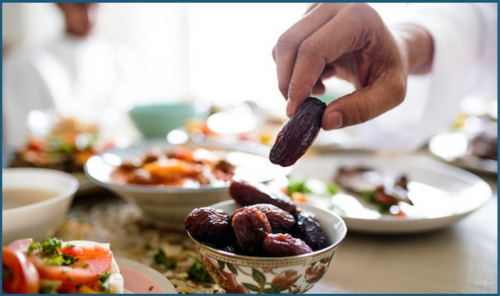
Pacing meals is key. To enjoy a healthy iftar without feeling deprived, DT. Mohammed recommends a gradual approach: "Start with dates, then a light soup, followed by vegetables with the main dish, and finish with a small portion of sweets." Many, however, try to eat everything at once, which inevitably leads to bloating and regret. She also shared natural remedies with TDT who overindulge: "Peppermint or ginger tea can help some people, and taking a short 10–15-minute walk after the meal can help stimulate digestion." A gentle reminder from DT. Mohammed: "Prevention is better than cure."
DT. Mohammed concluded her advice with the holy Quranic verse: "Eat and drink, but do not waste. Surely He does not like the wasteful." (Al-A‘raf: 31).
Related Posts