

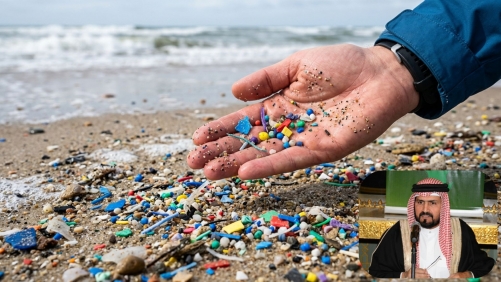
Looking at macro solutions for micro-plastics
Bahrain is aggressively expanding its environmental strategy to address the unseen, toxic threat of microplastics. While global headlines focus on macroscopic items like plastic straws and shopping bags, the Kingdom recognises that macroscopic breakdown leads directly to health-altering microparticles. These microscopic fragments infiltrate marine food chains, drinking water, and human tissue. To safeguard public health, Bahrain is shifting its focus from basic litter management toward a comprehensive, health-centric preventative framework.
Rather than just managing visible waste, the Ministry of Industry and Commerce (MOIC) targets the structural vulnerabilities that create microplastics. High-heat exposure accelerates plastic polymer degradation, shedding millions of microparticles directly into food.
Parliament recently approved a critical proposal banning the packaging of hot bread and fresh baked goods in plastic wrappers. Bakeries must transition to paper and eco-friendly alternatives to stop chemical and microplastic leaching at the consumer level.
Under Decision No. (7) of 2026, Bahrain prohibited the manufacturing, import, or distribution of single-use plastic bags less than 57 microns thick. Ultra-thin bags fragment rapidly under the harsh Gulf sun into airborne and aquatic microplastics. Forcing a shift to sturdy, multi-use alternatives drastically cuts down on this rapid fragmentation loop.
Under Decision No. (7) of 2026, Bahrain prohibited the manufacturing, import, or distribution of single-use plastic bags less than 57 microns thick. Ultra-thin bags fragment rapidly under the harsh Gulf sun into airborne and aquatic microplastics. Forcing a shift to sturdy, multi-use alternatives drastically cuts down on this rapid fragmentation loop.
The Kingdom has banned pre-packed plastic water bottles smaller than 200 millilitres. Small, flimsy bottles pose a dual threat: they are rarely recycled and are the primary culprits for leaching microplastics directly into drinking water under high temperatures.
Bahrain tackles microplastics as a profound public health crisis, not just an aesthetic issue. Through its active participation in the UN Environment Programme’s #CleanSeas campaign, the Supreme Council for the Environment (SCE) coordinates closely with research bodies. They actively monitor plastic particle toxicity within local fish stocks and marine ecosystems.
By combining rigorous port inspections, strict market compliance tracking, and targeted awareness campaigns, Bahrain is establishing a robust blueprint. The objective is clear: cut off plastic pollution at the source before it degrades into the invisible, health-altering particles that threaten human biology.
Related Posts