

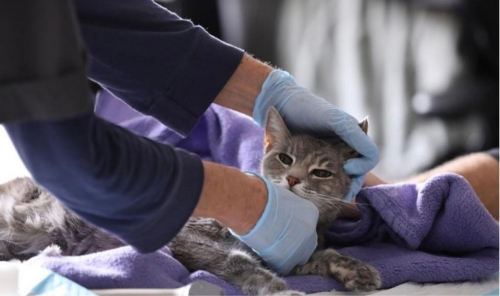
Call to bring back low-cost vet care
Animal owners are paying more than BD200 for veterinary treatment before tests are added, as campaigners and councillors press for the return of low-cost government vet care.
Mahmood Faraj, chairman of the Bahrain Society for the Prevention of Cruelty to Animals, said high private bills were hitting people attached to their pets and could deter others from taking in or caring for animals.
Mr Faraj called for government veterinary services to return and questioned why qualified vets already employed by the state were working in administrative jobs instead of treating animals.
Bahrain had provided free state veterinary services from 1961, he said. Services were cut from 2004 and, according to Mr Faraj, had ended by 2017.
‘We have veterinary doctors, but many of them are sitting in administrative positions,’ he told The Daily Tribune.
He called for the authorities to say how many vets they employ, where they work and how many are treating animals.
Northern Municipal Council member Mohammed Saad Al Dossary has proposed bringing low-cost treatment back to the former Budaiya Veterinary Centre.
The Constituency Three representative wants farm animals and pets examined and treated for a small fee, helping small breeders and farm owners who face high private vet bills.
Mr Al Dossary said the Budaiya centre had served farmers and livestock owners for years before its veterinary services stopped.
‘Providing government veterinary services for a small fee would give direct support to small breeders and could help keep the service running without leaving them with high costs,’ Mr Al Dossary told The Daily Tribune
‘The aim is to strike a balance between keeping the service going and meeting the needs of the farming and livestock sectors. Helping breeders get veterinary care more easily is an important part of protecting livestock and supporting local food production.’
Mr Al Dossary said earlier treatment could also curb the spread of disease and cut animal deaths, while helping farmers protect their herds and remain in business.
Vaccination programmes against infectious animal diseases have continued, but he said vaccination alone was not enough because sick animals still needed affordable treatment.
Southern Municipal Council Chairman Abdulla Abdul Latif has made a similar case, calling for newly qualified Bahraini veterinarians to be hired on government contracts.
He said graduates could learn beside senior doctors while gaining experience in spotting infectious diseases and separating sick livestock from healthy herds.
‘We have Bahraini veterinary graduates. Why not employ them on contracts and let them gain experience from senior doctors?’ he said.
‘They need practical experience in identifying contagious diseases and knowing when an animal must be isolated.’
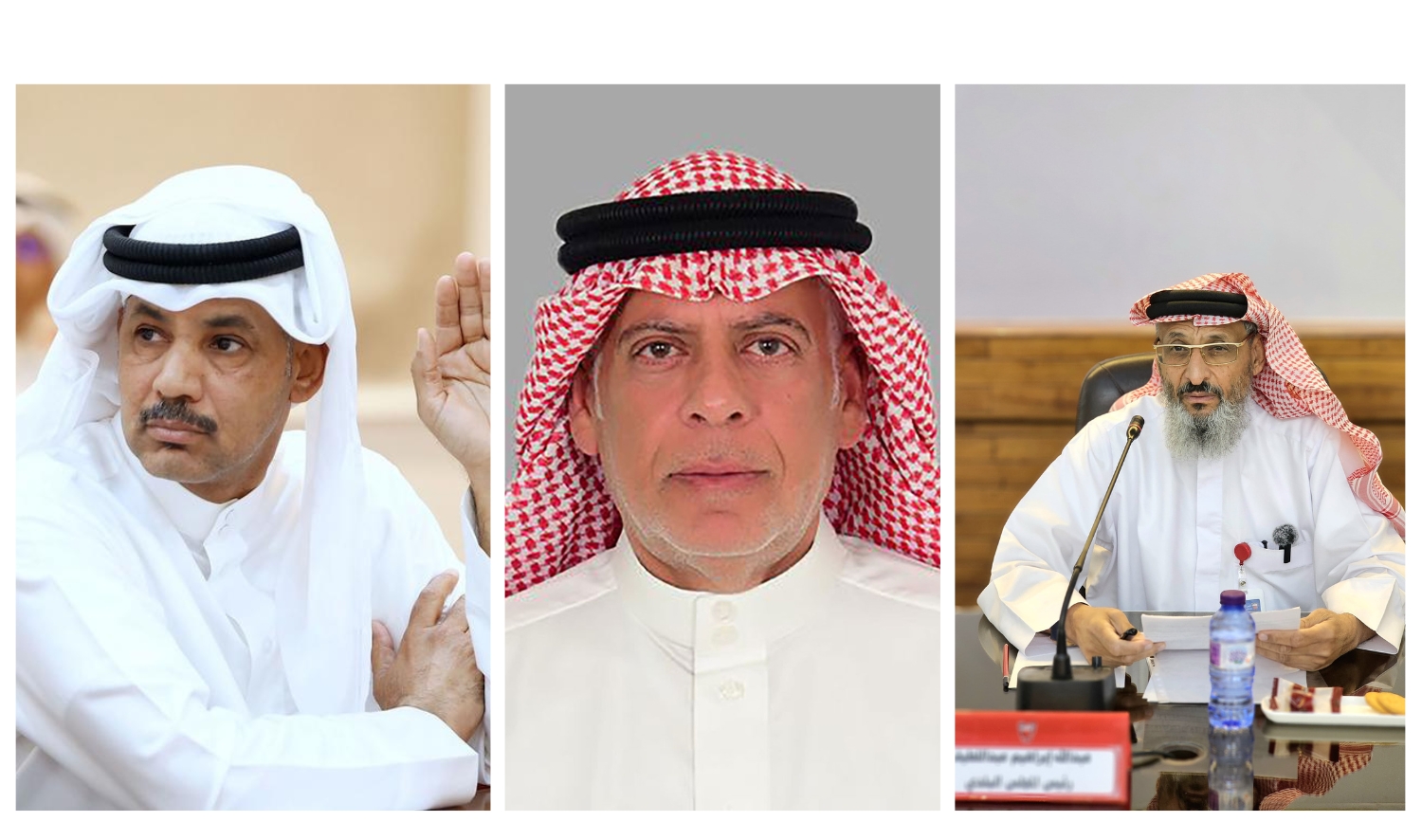
Mr Abdul Latif said veterinary care was directly tied to food security.
‘Veterinary care is directly linked to food security,’ Mr Abdul Latif told TDT. ‘When you look after the animal properly, feed it well and give it the right surroundings, you improve the final product.’
For stray animals, Mr Faraj wants private clinics required to play a greater part in treatment and neutering.
He said rescuers and animal welfare groups were spending thousands of dinars of their own money on sick and injured strays.
His proposal would require each private veterinary clinic to treat or neuter at least five stray animals a month.
‘Make it a national project,’ he said.
Mr Faraj said the plan would cut what rescuers pay themselves and help reduce the stray population through neutering.
He said better veterinary services would still leave a major gap without a government-run animal shelter.
‘A government shelter is the foundation,’ he said.
Private shelters and volunteers, he argued, could not be expected to take in the country’s strays on their own.
Mr Faraj said affordable veterinary care and somewhere to house stray animals remained basic needs.
Related Posts