

Unanimous Vote Extends Social Insurance to Freelancers
TDT | Manama
Email: mail@newsofbahrain.com
A proposal to bring freelancers and other self-employed workers under mandatory social insurance won unanimous approval in Parliament on Tuesday.
The measure amends Article (2) of the Social Insurance Law issued by Decree-Law No. 24 of 1976, widening compulsory cover beyond workers on employment contracts to include self-employed people and members of the liberal professions.
The added cover will apply only to groups named in a decision by the competent minister, and only after the Social Insurance Organisation’s board signs off, under the wording backed by MPs.
Five MPs submitted the proposal: Maryam Al Sayegh, Najeeb Al Kowari, Hassan Ibrahim, Jameel Mulla Hassan, and Mohammed Mousa. The Services Committee had urged approval.
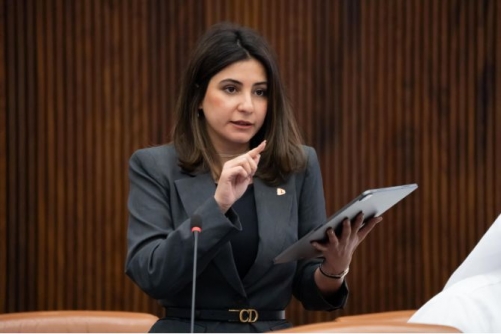
Speaking in the chamber, Ms Al Sayegh said the change was aimed at ‘a valued group of the people of this country’, naming ‘small-project owners, artisans, fishermen and driving instructors’ among those she said had supported the economy for years.
She said some had been forced by ‘harsh economic circumstances’ to shut their businesses or stop working, and told MPs that ‘the hardest part’ was reaching 60 ‘without any insurance record or retirement entitlement’, which she said left families under ‘psychological and financial pressure’.
Ms Al Sayegh said she wanted ‘all categories of freelance work’ to join the social insurance system to give them ‘a future protection umbrella’ and to back the long-term health of the insurance funds.
She also raised a separate idea for those already over 60 with no pension cover, suggesting that part of the accumulated surplus in the unemployment insurance account be directed to an ‘exceptional fund’ or a temporary national programme to support self-employed people ‘not covered by any retirement umbrella’.
‘This proposal will not place a burden on the state budget,’ she said, arguing that any funding would come from existing surpluses built up from citizens’ contributions and would be redirected ‘to its true beneficiaries’.
The measure consists of two articles. The first replaces the first paragraph of Article (2) with the new wording, while the second assigns implementation to the Prime Minister and ministers and links the start date to publication in the Official Gazette.
Related Posts