

Public Works Official Reports 95 Million Cubic Metres of Treated Water in 2025
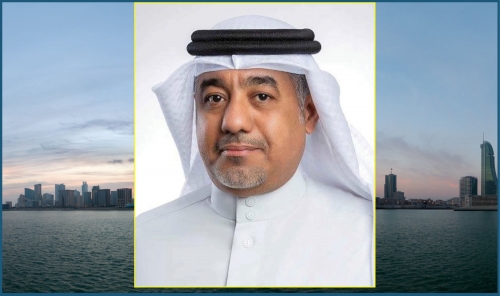
The Ministry of Works recorded more than 95 million cubic metres of treated water production in 2025, reflecting Bahrain’s expanding investment in water sustainability and environmental protection, according to Assistant Undersecretary for Sanitary Engineering Engineer Fathi Abdullah Al Farea.
Production
Al Farea said the treated water output was achieved using advanced filtration and disinfection technologies that align with leading international environmental standards. He noted that wastewater received by the ministry is processed at treatment plants through integrated physical, chemical and biological methods to ensure safe reuse.
Reuse
The assistant undersecretary explained that treated water is reused for designated purposes including agriculture, street landscaping and controlled irrigation. He said this approach supports environmental sustainability and the conservation of water resources, while ensuring that treated wastewater quality meets global environmental benchmarks and serves development and service projects across the Kingdom.
Integration
Al Farea said the ministry’s efforts to expand the use of treated water are aligned with national sustainability initiatives, particularly the Irrigation Innovation Competition launched under the directives of His Royal Highness Prince Salman bin Hamad Al Khalifa. The competition aims to attract innovative solutions from individuals and institutions to enhance irrigation efficiency and improve the use of treated water, contributing to increased green spaces and optimal resource management.
Facilities
He highlighted the role of the Tubli Wastewater Treatment Plant, the largest producer of treated water in Bahrain, which generated approximately 45 million cubic metres during 2025. The output supports irrigation needs across farms and major roads in various areas of the Kingdom.
Network
Al Farea said the total length of the treated water transmission network stands at around 70 kilometres, while the distribution network extends to approximately 167 kilometres. He added that 14 pumping stations operate across the network, all of which undergo regular preventive maintenance to ensure uninterrupted pumping, transport and distribution of treated water to farms and public spaces.
Related Posts