

Delivery Bike Safety Needs Lanes Not Bans
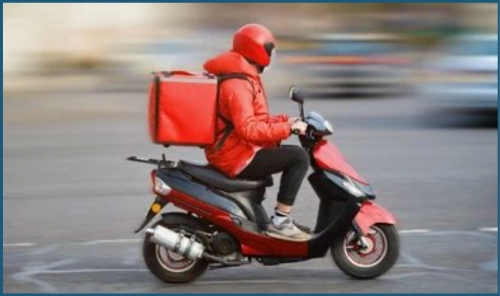
Bahrain’s delivery riders have become part of the Kingdom’s daily rhythm, moving meals and parcels across neighbourhoods that are often connected by the same main roads everyone else depends on. The Ministry of Interior has warned that banning delivery motorcycles from main roads would not improve traffic movement, and could instead shift congestion and conflict onto secondary streets.
According to the latest available figures, 3,387 traffic accidents involving delivery motorcycles were recorded, resulting in seven deaths. Behind that number are real families and real workdays, and a system that too often places speed and safety in the same moment.
Officials said a ban would be difficult to implement because of the nature and layout of Bahrain’s road network. Online, people asked how a rider is supposed to deliver from Hoora to Hidd without using main roads. The point is simple. If the job requires main routes, pushing riders away from them does not remove the risk, it just relocates it.
Side roads are narrower, junctions come faster, and the stop start pattern can force sharper decisions. The problem is not where riders exist. It is how the road is shared.
Many comments focused on pressure rather than personality. One view was that riders are blamed for reckless riding when delays start earlier, with meals not ready on time, while the rider is still expected to meet a deadline.
While having a discussion with a few restaurant owners DT has learnt that changing the working hours and benefit method leads delivery drivers to reckless behavior.
Many delivery drivers want to deliver the package as fast as possible to make more income on a daily basis.
Restaurant owners also said one delivery platform changed its system. They claimed riders were once employees with fixed hours and fixed pay, but are now paid per order with no specified hours. That kind of model can reward the rider who squeezes in one more trip. It is not an excuse for dangerous riding, but it is a reason worth taking seriously.
Other countries with heavy motorcycle traffic have chosen organisation over removal. Malaysia has advanced motorcycle only lanes alongside highways and expressways. Taiwan uses clearly designated scooter and motorcycle lanes with strong enforcement. Indonesia and Thailand rely on marked lanes on major urban roads. In many UK cities, motorcycles are allowed to use bus lanes as a form of priority space. Different systems, one lesson. A safer road is a clearer road.
For Bahrain, the practical direction is separation and discipline, starting where conflict is highest. Designated motorcycle lanes, even if painted at first, can reduce weaving and sudden lane changes, and make enforcement easier because violations are clearer.
Another option raised online is stricter lane rules on main roads, keeping delivery motorcycles to the rightmost lanes, while also keeping large trucks to the right lane. Delivery platforms can also be pushed to set realistic delivery windows, track unsafe riding, and address the pressure that encourages speed over judgement.
Related Posts