

Bahrain Showcases Global Model of Religious Tolerance
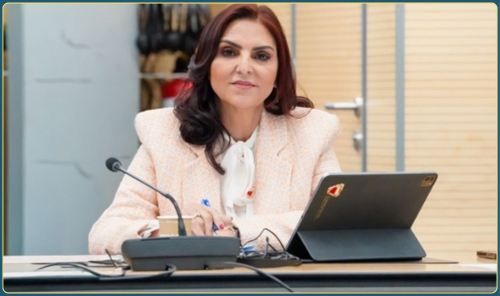
Bahrain continues to shine as a global beacon of peace, coexistence, and interfaith harmony under the visionary leadership of His Majesty King Hamad bin Isa Al Khalifa, affirmed Hala Ramzi Fayez, Member of the Shura Council and the Kingdom’s Parliamentary Delegation, during an international workshop on interfaith dialogue held in Geneva on Tuesday.
The workshop, titled “Combating Intolerance and Promoting Religious Literacy for More Inclusive and Peaceful Societies,” took place as part of the 151st General Assembly of the Inter-Parliamentary Union (IPU), gathering representatives from around the world to advance discussions on peace through faith and mutual understanding.
Fayez emphasized that Bahrain’s experience stands as a safeguard for societal stability and a strong barrier against hate speech and extremism. She highlighted that history has shown intolerance and denial of diversity lead to division, whereas openness and mutual respect foster prosperity and justice.
She further noted that Bahrain has successfully established a modern civil state built on equal citizenship, rule of law, and respect for religious and cultural diversity—transforming the Kingdom into a welcoming environment for all faiths and communities.
Fayez pointed to landmark national achievements such as the Bahrain Declaration for Religious Tolerance and the establishment of the King Hamad Global Centre for Peaceful Coexistence, both of which embody the nation’s unwavering commitment to promoting peace, dialogue, and shared humanity.
Reflecting Bahrain’s growing international influence in this field, she noted that the United Nations’ adoption of January 28 as the International Day of Conscience and Coexistence was a significant milestone inspired by a Bahraini initiative—further cementing the Kingdom’s global role in advancing values of moderation and understanding.
Fayez also underlined the legislative branch’s crucial role in reinforcing tolerance and coexistence through laws that prohibit discrimination and protect freedoms of religion and belief. Bahrain’s Parliament, she added, actively participates in regional and international parliamentary initiatives to exchange knowledge and promote inclusive dialogue.
Calling for deeper, more institutionalized interfaith engagement, Fayez proposed that interreligious dialogue should evolve from cultural exchanges into structured frameworks supported by education, media, and policy. She urged the IPU to become an umbrella organization uniting parliamentary efforts against hate speech and for promoting sound religious awareness—especially among youth in the digital age.
“Bahrain’s journey demonstrates that coexistence and tolerance are not exceptions but strategic choices that ensure security, justice, and inclusion for all,” Fayez concluded. “Investing in interfaith dialogue is an investment in a safer, more equitable, and peaceful future for humanity.”
Related Posts