

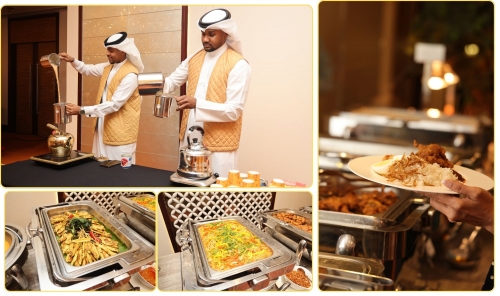
Malaysia Showcases UNESCO-Recognized Breakfast Culture in Bahrain
TDT | Manama
Email: ashen@newsofbahrain.com
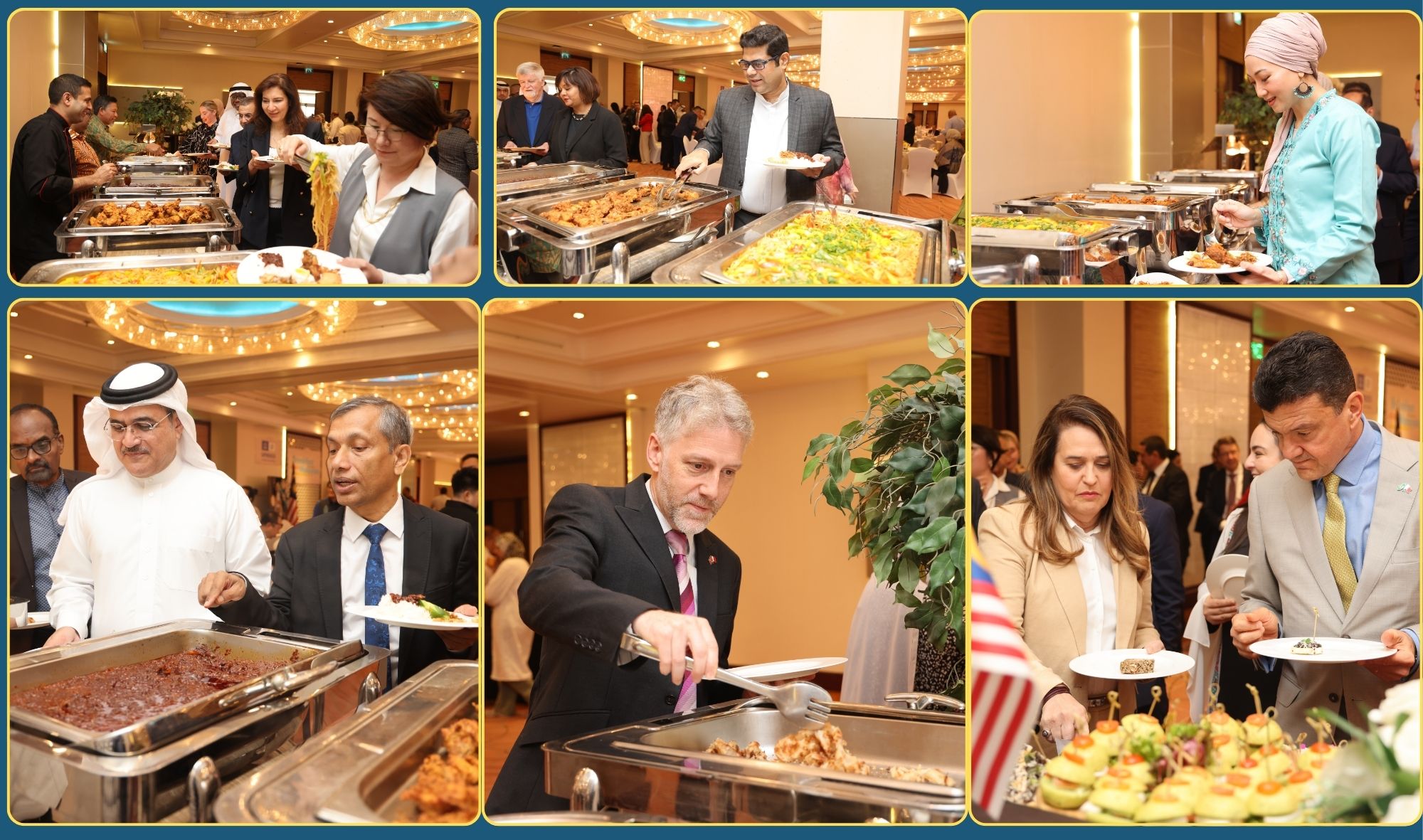
The Embassy of Malaysia in Manama recently hosted a cultural event titled “Breakfast Culture in Malaysia: Dining Experience in a Multi-Ethnic Society”, celebrating Malaysia’s rich culinary and artistic heritage
Malaysia’s traditional breakfast practices were officially inscribed on the UNESCO Representative List of the Intangible Cultural Heritage of Humanity at the 19th Session of the Intergovernmental Committee for the Safeguarding of Intangible Cultural Heritage held in Paraguay in December 2024.
This marks Malaysia’s first food-related entry on UNESCO’s list. Other Malaysian UNESCO-recognized intangible cultural heritage includes Mak Yong, Silat, Dondang Sayang, Songket, Mek Mulung, Ong Chun/WangKang (Malaysia & China), Pantun (Malaysia & Indonesia), and the Kebaya—making a total of nine items.
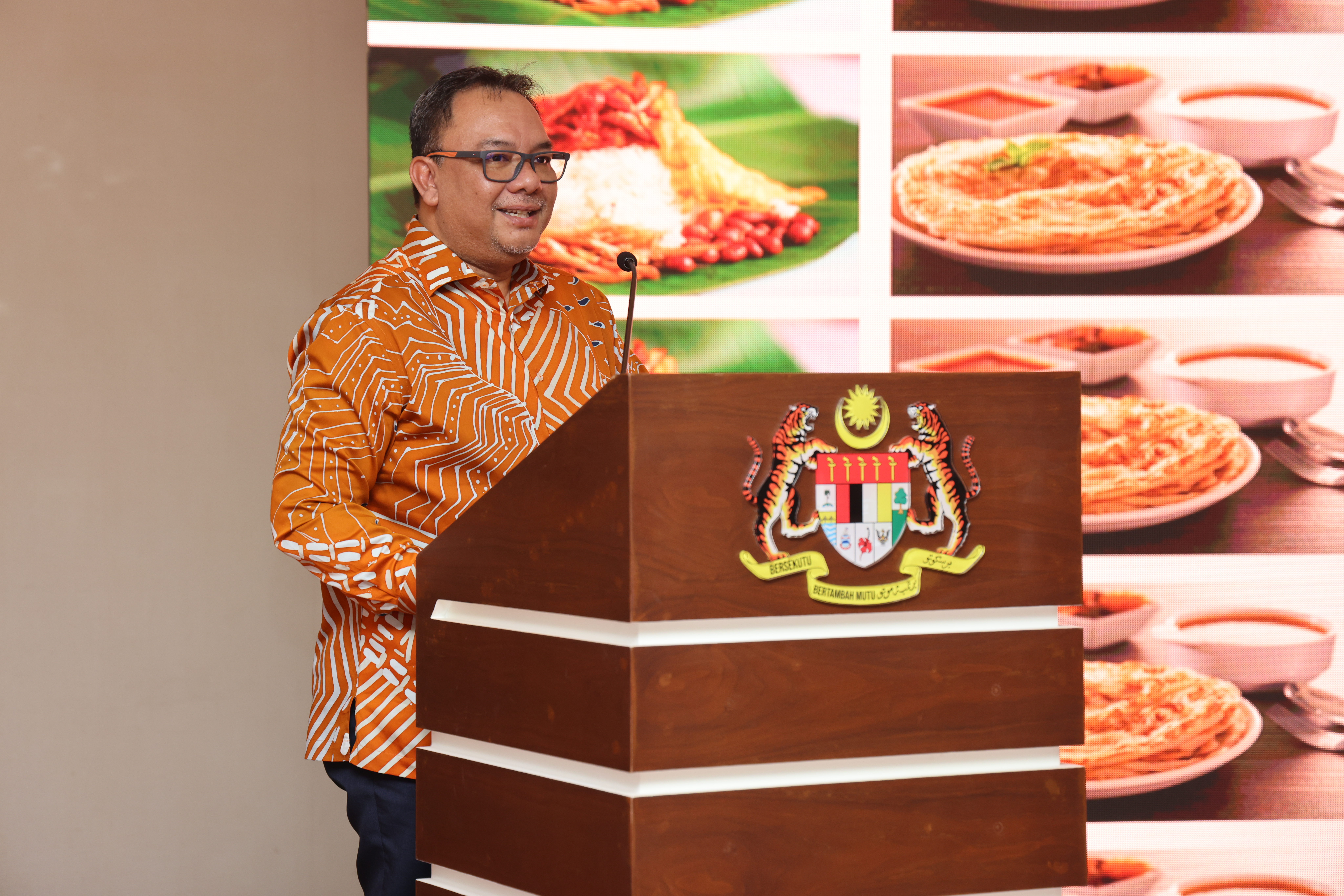
The Breakfast Culture in Malaysia celebrates comfort foods enjoyed across Malaysia’s multi-ethnic society. Signature dishes such as nasi lemak, roti canai, and teh tarik are national favorites, beloved by Malaysians of all backgrounds and widely appreciated by tourists, often praised in vlogs as “the best Malaysian breakfast—hands down!” These dishes reflect Malaysia’s diverse flavors and culinary heritage.
The event also featured a performance of Dondang Sayang, a traditional Malay art form recognized by UNESCO. Originating in Melaka during the 15th-century Melaka Sultanate, Dondang Sayang blends music—played on instruments like the violin, gong, and tambour—with poetic songs known as “love ballads,” expressing themes of love, kindness, and community. Traditionally performed in royal courts, the art form has flourished across Malay, Baba Nyonya, Chitty, and Portuguese communities. For the Bahrain event, the performance was adapted into a dance interpretation, highlighting its melodic and poetic charm.
Guests also experienced the Kebaya, a traditional Southeast Asian blouse-dress ensemble recognized by UNESCO in 2023. Worn by Malay, Peranakan, and other ethnic communities, the Kebaya symbolizes elegance, craftsmanship, and Malaysia’s multicultural heritage. Beyond its historical significance, the Kebaya continues to play a role in cultural ceremonies and contemporary fashion, ensuring the preservation of artisanal textile and embroidery skills across generations.
The recognition of Malaysia’s breakfast culture and traditional arts by UNESCO highlights the nation’s commitment to safeguarding living traditions. By celebrating iconic dishes, timeless performances, and cultural attire, Malaysia reinforces its diverse heritage as a unifying force and shares these treasures with the world.
Related Posts