

Mexico Hit by Hurricane as Asia Battles Floods
A storm fuelled by unusual ocean conditions
Polo intensified rapidly earlier in its development, becoming a major hurricane as it moved over exceptionally warm Pacific waters.
Meteorologists have linked the storm's unusual development to the current strong El Niño pattern, which is contributing to increased hurricane activity in the Pacific. Recent reports have described the 2026 El Niño as exceptionally strong, with significant effects on weather patterns around the world.
El Niño is a natural climate pattern involving unusually warm ocean temperatures in the central and eastern tropical Pacific. It can alter rainfall, winds and storm activity in different parts of the world.
Climate change adds another layer to the picture. Warmer oceans can provide more energy for tropical cyclones and allow the atmosphere to hold more moisture, increasing the potential for intense rainfall. However, the specific contribution of human-caused climate change to Hurricane Polo itself requires scientific attribution and should not be confused with the immediate influence of El Niño.
Mexico faces flooding and coastal danger
Mexican authorities urged residents in threatened areas to seek shelter as Polo approached.
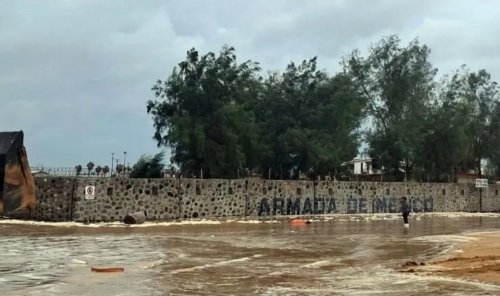
The storm caused power cuts and flooding in coastal communities, while waves breached sections of coastal defences near Puerto San Carlos. Authorities also restricted access to beaches in tourist areas such as Cabo San Lucas.
The danger is expected to continue even as Polo weakens. The National Hurricane Center warned of storm surge, large destructive waves, dangerous surf and rip currents along parts of the Mexican coast.
Polo is expected to move northeast across Mexico and could continue bringing heavy rainfall after reaching mainland areas.
Asia faces its own flood crisis
The Mexican hurricane comes as several parts of Asia have experienced severe flooding and landslides in recent weeks.
In Thailand, heavy rainfall has affected Bangkok and dozens of other provinces. Bangkok was declared a disaster zone after prolonged rainfall, while more than 580,000 homes had been affected nationwide according to figures reported by Thailand's Interior Ministry.
In India, flooding and landslides in Uttar Pradesh killed at least 56 people in the latest reported episode. More than 1,000 houses were damaged, while several major rivers were reported above danger levels.
In Nepal, authorities warned of possible flash floods in 49 of the country's 77 districts. The country is also still recovering from a separate deadly Himalayan disaster in August that killed more than 1,400 people.
Scientists studying that Nepal disaster said long-term warming contributed to the conditions behind the glacial collapse, through processes including glacier retreat, permafrost thaw and increasing instability in mountain terrain.
Is climate change behind all these disasters?
The recent events illustrate a growing global concern about extreme weather, but scientists distinguish between weather events, natural climate patterns and long-term human-caused warming.
El Niño is a naturally occurring climate phenomenon and is currently an important factor in Pacific weather patterns. At the same time, global warming is changing the background conditions in which storms, rainfall and other hazards occur.
A warmer atmosphere can hold more water vapour, while warmer oceans can provide additional energy to tropical storms. This can increase the potential for intense rainfall and, in some circumstances, stronger tropical cyclones.
That does not mean every flood, hurricane or landslide can be directly attributed to climate change. Scientists use attribution studies to determine how much human-caused warming contributed to individual events.
A global warning sign
From Mexico's Pacific coast to flood-hit communities across Asia, recent disasters are highlighting the growing challenges faced by governments and communities dealing with extreme weather.
For Mexico, the immediate priority is responding to flooding, storm damage and potential mudslides as Polo moves inland.
For countries across Asia, the focus remains on evacuations, flood control, rebuilding and preparing communities for further heavy rainfall.
The events are different in their causes and circumstances, but together they underline the importance of early-warning systems, resilient infrastructure and preparedness as governments face an increasingly challenging climate environment.
Related Posts