

Rain Brings Relief to Indonesia City After Weeks of Toxic Haze
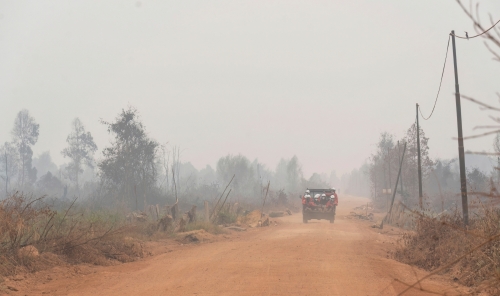
Welcome rainfall has provided relief to residents of Pontianak in Indonesia’s West Kalimantan province after weeks of hazardous haze caused by widespread wildfires across Borneo.
The fires have burned through large areas of peatland and forest on Borneo and nearby Sumatra, sending thick smoke across affected parts of Indonesia and into neighbouring Malaysia and Singapore.
In Pontianak, a city of around 700,000 residents, persistent smog had disrupted daily life and restricted outdoor activities. Schools were forced to close, while officials reported thousands of respiratory-related cases in the region since last month.
Recent rainfall has brought a noticeable improvement in conditions, with residents describing clearer visibility and more comfortable air.
Homemaker Lilis Suryani, 43, said she immediately noticed the difference after the rain and was relieved to see conditions improve, particularly because she had been concerned about the impact of the pollution on her children.
University student Uray Rosa Febrianti, 23, also welcomed the change, saying the rainfall had brought cooler conditions and renewed hope that the situation could begin to ease.
Authorities have been working to contain the blazes, deploying firefighters with the support of volunteers in affected areas. Indonesia has also used cloud-seeding operations and water-bombing efforts to tackle the fires, although the measures have had limited success.
Despite the recent improvement, air quality remains a concern. At one point on Tuesday, PM2.5 pollution in Pontianak was recorded at more than 23 times the World Health Organization’s recommended safe level, according to Switzerland-based air-quality monitor IQAir.
Earlier this month, the concentration of these fine particles exceeded the recommended limit by more than 100 times.
PM2.5 particles are small enough to penetrate deep into the respiratory system and can enter the bloodstream, potentially causing serious health problems, particularly during prolonged exposure.
Wildfires are a recurring problem in Indonesia during the dry season, with conditions in Borneo generally reaching their peak between July and September.
This year, the situation has been worsened by the El Niño weather pattern, which is associated with prolonged and severe drought across Indonesia. The current El Niño event is among the strongest recorded in recent decades.
Environmental experts have also linked the recurring fires to land-clearing practices, including slash-and-burn methods, which can make landscapes more vulnerable to uncontrolled burning.
While the latest rainfall has offered residents a much-needed reprieve, authorities continue to face the challenge of containing remaining fires and reducing the health risks posed by lingering pollution.
Related Posts