

Türkiye's Mining Boom Raises Alarm Over Water Crisis and Rural Livelihoods
Ankara: As Türkiye prepares to host COP31 in November, environmental activists and experts are raising concerns over the country’s rapidly expanding mining sector, warning that aggressive resource extraction is draining water supplies and threatening rural communities.
In the village of Guney in western Usak Province, residents say all 50 natural springs that once supplied the community have dried up since a nearby gold mine began operations nearly two decades ago.
Local activist Ugur Sumer said groundwater levels have plunged dramatically, with wells that once reached water at 60 metres now failing even at depths of 400 metres.
Türkiye has significantly expanded mining and drilling permits since 2000, with official figures showing the number reached 410,000 permits in 2025, following legislation passed last July aimed at accelerating investment in the sector.
The government says the reforms will help boost gold production and strengthen Türkiye’s position in global mining, including rare earth minerals. Energy Minister Alparslan Bayraktar has said the country aims to increase annual gold production from 28 tonnes to 100 tonnes.
But environmental groups warn the expansion is placing severe pressure on already strained water resources. Official data shows mining accounted for 5.8 percent of Türkiye’s water consumption in 2024—four times higher than in 2016.
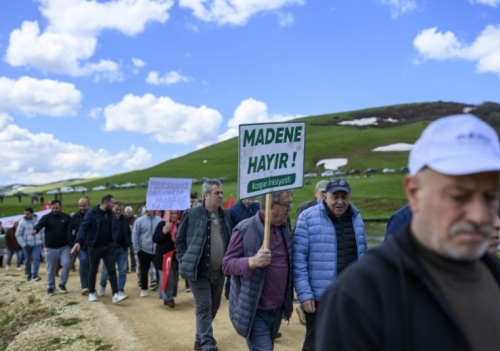
Across rural regions including Ordu Province, villagers have staged protests against planned gold exploration projects, fearing damage to farming, livestock, and Türkiye’s globally significant hazelnut industry.
Hydrologists warn that mining operations not only consume large volumes of water but also risk contaminating groundwater through the use of chemicals such as cyanide.
Environmental lawyers say recent legal changes allowing agricultural land to be rezoned or expropriated for mining could intensify tensions, with activists warning that oversight mechanisms and environmental impact assessments have been weakened.
For communities like Guney, residents say the issue is no longer just environmental—but existential—as water shortages, pollution, and declining agricultural output threaten their future livelihoods.
Related Posts