

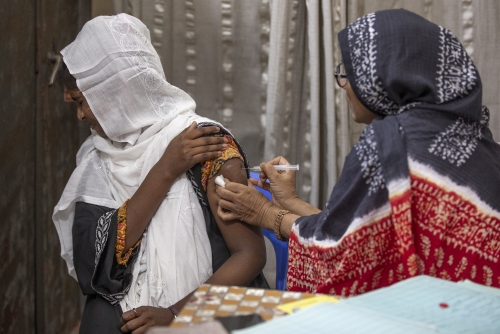
Poor planning fuels Bangladesh contraceptive crisis.
Email: online@newsofbahrain.com
Dhaka: Bangladesh’s family planning system is facing a severe breakdown as critical shortages of contraceptives leave nearly a third of the country’s districts without basic supplies, sparking fears of a surge in unplanned pregnancies
Government data reveals that essential items including condoms, oral pills, emergency contraception, IUDs, and injectables are currently unavailable in approximately 21 of the nation's 64 districts.
The crisis marks a significant setback for a country of 170 million people that was long considered a global success for slashing birth rates through expansive, state-backed door-to-door outreach.
The shortage is primarily attributed to a combination of administrative mismanagement and procurement failures that intensified following a 2024 uprising. Officials admit that they failed to secure necessary commodities during that period and struggled to convince the government of the severity of the depletion over the following two years.
‘The supply chain has still not been restored,’ noted Kishwar Imdad of Marie Stopes Bangladesh, highlighting the halt of programs in remote areas.
Public health experts warn that the consequences extend beyond birth control, linking the "mismanagement" to other crises, such as a recent measles outbreak that has killed some 400 children.
Furthermore, observers note that the fertility rate has already begun to rise moving from 2.3 in 2022 to 2.4 today reversing decades of steady progress.
While the Ministry of Health claims that new shipments of pills and condoms will start reaching centers by June, officials acknowledge that fully restoring the distribution network will take more time.
By August, they hope there will be no further shortages, but in the meantime, underprivileged citizens who rely on nearly free state services are often being told to purchase supplies from private dispensaries instead.
Related Posts