

Japan to Tap State Oil Reserves as Hormuz Crisis Disrupts Supply
Email: online@newsofbahrain.com
Tokyo: Japan will begin releasing oil from its state reserves as disruptions continue in the Strait of Hormuz, a critical global energy route affected by ongoing tensions involving Iran.
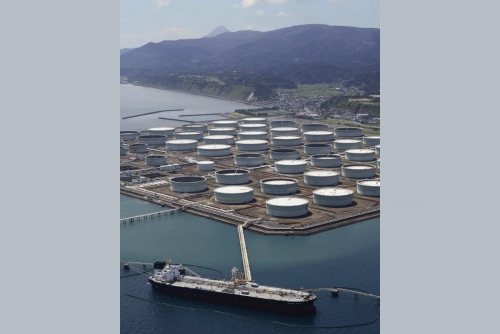
The government in Tokyo plans to release the equivalent of 30 days’ worth of oil starting Thursday, as part of a broader strategy that could total up to 45 days, the largest drawdown of reserves in the country’s history. Additional supplies will also be made available from private-sector stockpiles to stabilise the world’s fourth-largest economy.
Japan maintains one of the largest oil reserves globally, covering around 254 days of consumption across both public and private holdings. However, it remains heavily dependent on imports, sourcing more than 90% of its crude oil from the Middle East, leaving it vulnerable to regional instability.
Authorities have so far avoided imposing strict energy-saving measures but have cautioned against panic buying of essential goods. Fuel prices have surged to record levels of around 190 yen ($1.20) per litre, prompting the government to introduce subsidies aimed at capping gasoline prices near 170 yen ($1.07) per litre.
Japan’s preparedness for such crises is rooted in past experience, particularly the 1973 Oil Crisis, triggered by the Yom Kippur War, when oil supply cuts and price spikes severely impacted import-dependent economies. A subsequent shock during the 1979 Oil Crisis further reinforced the need for energy security.
In response, Japan invested heavily in energy efficiency, diversified its energy mix, and built extensive strategic reserves measures that continue to shape its response to today’s crisis.
Photo Credit: Kyodo News
Related Posts