

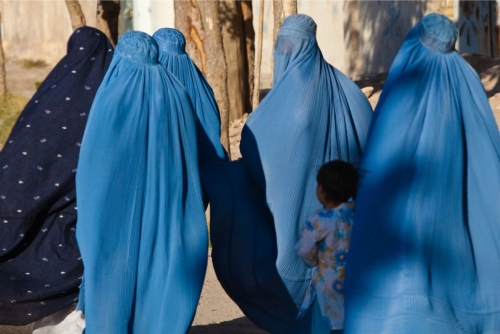
Afghanistan Law Permits Husbands to Beat Wives if No “Broken Bones” Occur
Email: online@newsofbahrain.com
Kabul: The Taliban government in Afghanistan has introduced a new penal code that critics warn effectively permits husbands to physically abuse their wives and children so long as the violence does not cause broken bones or open wounds. This legal threshold has sparked alarm from human rights organisations around the world.
Signed by Supreme Leader Hibatullah Akhundzada, the 60-page code classifies spousal beatings as “ta’zir” discretionary punishment instead of a criminal offence, if the injuries are not serious. Under such conditions, a husband may strike his wife without facing legal consequences, according to the text circulated to courts across the country.
Only when a woman manages to prove that severe force resulted in a broken bone, wound or visible bruising can a judge impose a penalty, which in practice is limited to a maximum of 15 days’ imprisonment. Proving injury in court remains exceptionally difficult, as victims must appear fully veiled and accompanied by a male guardian often the husband himself to present their case.
Observers say the code dismantles previously existing protections, including the 2009 Elimination of Violence Against Women (EVAW) law, which had outlawed forced marriage, rape and gender-based violence with more substantial penalties. Human rights groups warn the latest statute institutionalises discrimination and makes justice nearly impossible for women without visible injuries.
The law also contains provisions that criminalise women who leave their homes without their husband’s consent, with sentences of up to three months in jail. International advocates argue this combination of legal barriers and punitive measures reinforces patriarchal control and leaves Afghan women further isolated.
Campaigners have called on the United Nations and other global bodies to intervene, saying the code’s provisions represent a sharp backward step for human rights in Afghanistan and a deepening crisis for women and children already facing severe restrictions under the Taliban’s rule.
Related Posts