

Iran Faces Rising Unrest as Students and Traders Protest Economic Hardship
email: online@newsofbahrain.com
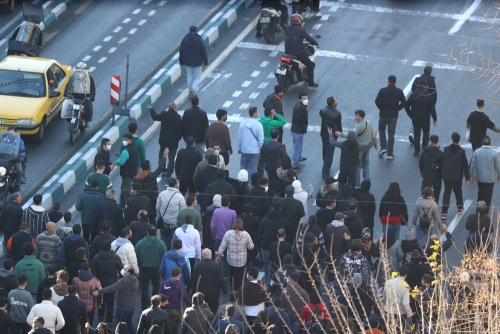
Tehran: Protests in Iran spread to universities across the country as students joined demonstrations sparked by worsening economic conditions, prompting authorities to warn against any attempt to turn economic grievances into broader unrest.
Students staged protests at around 10 universities, including seven in Tehran, as well as institutions in Isfahan, Yazd and Zanjan, according to Iranian media. The demonstrations followed protests by traders and shopkeepers who began rallying earlier this week after the national currency plunged to a record low.
Iran’s chief prosecutor, Mohammad Movahedi Azad, warned that while economic concerns were being acknowledged, any move to destabilise the country would face a “legal, proportionate and decisive response,” state media reported. He blamed international sanctions and foreign media campaigns for fuelling unrest.
The protests erupted after the Iranian rial briefly weakened to 1.42 million to the US dollar before recovering slightly. Iran’s economy has been under severe strain due to western sanctions, regional conflict, and high inflation.
Many Iranians have also expressed anger over energy shortages, which have led the government to temporarily close schools, banks and businesses during the winter months to conserve fuel.
President Masoud Pezeshkian on Tuesday pledged banking reforms and ordered talks with protest representatives. The Interior Minister has been tasked with engaging demonstrators to hear their demands, according to state media. The government also announced the replacement of the central bank governor amid mounting criticism over economic management.
Iran’s inflation rate rose to 42.2% this month, with food prices increasing by 72% year-on-year and medical costs up 50%, according to official figures. Analysts have warned that the rapid pace of price increases could signal the risk of hyperinflation.
Security was reported to be tight at protest sites, though there were no immediate reports of mass arrests or violent crackdowns, witnesses said. Iranian authorities have previously used force and widespread detentions to suppress protests, notably during the nationwide unrest following the death of Mahsa Zhina Amini in 2022.
The European Union on Tuesday expressed concern over what it described as the arbitrary detention of critics in Iran, calling on authorities to release individuals detained for exercising their rights to freedom of expression and assembly.
The United States also voiced support for protesters, with Washington’s envoy to the United Nations saying Iranians were demonstrating against economic decline and repression.
Related Posts