

New CRISPR Tool May Roll Back Antibiotic Resistance
TDT | Manama
Email: mail@newsofbahrain.com
Antimicrobial resistance is no longer a distant global concern, it is a daily reality in outpatient clinics, primary care centres, and family physician practices.
Scientists at UC San Diego have created a new CRISPR-based, second generation Pro-Active Genetics (Pro-AG) system called pPro-MobV that can fight antibiotic-resistant bacteria, or ‘superbugs’ in a completely new way. Instead of just slowing them down, this tool removes the genes that make bacteria resistant to antibiotics.
How it works
The system works by targeting plasmids, tiny DNA pieces inside bacteria that carry resistance. It inserts a small genetic ‘cassette’ that shuts down these resistance genes, making the bacteria sensitive to antibiotics again. In essence, a CRISPR-based tool is a revolutionary, fast, and precise technology used by scientists to edit, alter, or regulate the DNA of living organisms, functioning like a molecular ‘find-and-replace’ tool for genetic code.
pPro-MobV can spread between bacteria, even within dense biofilms found on hospital surfaces, wastewater systems, farms, and fish ponds, enabling it to reach hard-to-target resistant microbes. It can also be delivered via bacteriophages for precise, targeted action, and its inserted genes can be removed if necessary, adding a key safety safeguard.
By restoring bacterial sensitivity to antibiotics, pPro-MobV has the potential to help hospitals, agriculture, and water systems combat superbugs more effectively and improve treatment outcomes.

Regional Impact
Healthcare professionals are increasingly facing resistant organisms in routine consultations, while rising temperatures, environmental changes, and antibiotic exposure through food and community use are accelerating resistance. Without intervention, superbugs areprojected to cause over 10 million deaths annually by 2050. To address this, GCC and Middle East countries are implementing national AMR plans, social programs, and enhanced surveillance.
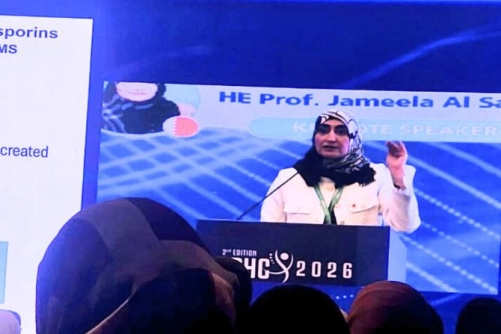
Bahrain is a pioneer in implementing outpatient antibiotic stewardship, demonstrating that primary care can lead the fight against antimicrobial resistance. HE Dr. Jameela Al Salman, Member of the Shura Council and Consultant in Infectious Diseases and Geriatrics, emphasised at the recent 2nd PHC Conference that primary care- led antibiotic stewardship programmes, grounded in rational antibiotic use, strategic planning, and strong community engagement, are essential to effectively tackling antimicrobial resistance at the local level.
The new CRISPR tool offers hope against the antibiotic-resistant superbug crisis, providing a powerful strategy to reverse resistance rather than just slow it.
Related Posts