

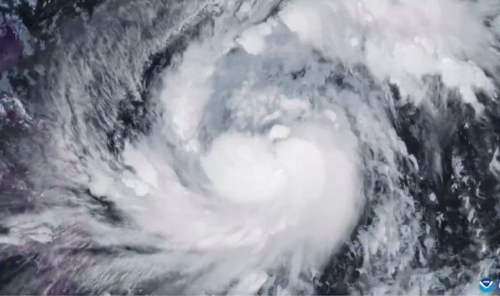
Deadly Storm Looms: Fung-wong Threatens Millions in Luzon
A powerful storm bearing down on the Philippines’ largest island, Luzon, has intensified into a super typhoon, prompting mass evacuations and emergency preparations across several regions.
According to the Philippine weather agency, PAGASA, Super Typhoon Fung-wong — known locally as Uwan — is packing sustained winds of up to 185 km/h (155 mph) and bringing torrential rains as it moves across the eastern part of the country.
The Bicol region was the first to experience “life-threatening conditions” early Sunday, with the storm expected to make landfall in Aurora province by Sunday night before sweeping across Luzon. PAGASA warned of severe flooding, landslides, and destructive winds in low-lying and coastal areas.
The arrival of Fung-wong comes just days after Typhoon Kalmaegi left at least 204 people dead and more than 100 missing in the Philippines, with five fatalities reported in Vietnam. The government has since declared a nationwide state of calamity to speed up disaster response and access emergency funds.
Authorities have urged residents in high-risk zones, particularly in Catanduanes and other parts of Bicol, to evacuate to higher ground. Power outages and strong winds have already been reported, and nearly 400 domestic and international flights have been cancelled. Schools have suspended classes, and some hotels along the eastern coast have been evacuated as precautionary measures.
In the coastal town of Sabang, hotel worker Hagunoy, 21, said police had repeatedly checked to ensure all guests were evacuated. “The hotels are deserted now,” he told BBC News, adding that locals had tied windows shut and secured gates in preparation for the storm.
Fung-wong is expected to weaken after landfall but will likely remain a typhoon as it crosses Luzon, bringing heavy rainfall and flash flooding to central and northern provinces.
The Philippines, located in the Pacific typhoon belt, faces about 20 tropical cyclones each year, roughly half of which make landfall. While climate change has not increased the number of such storms globally, scientists warn that warming oceans are making them more intense, with stronger winds, heavier rainfall, and higher risks of flooding.
Related Posts