

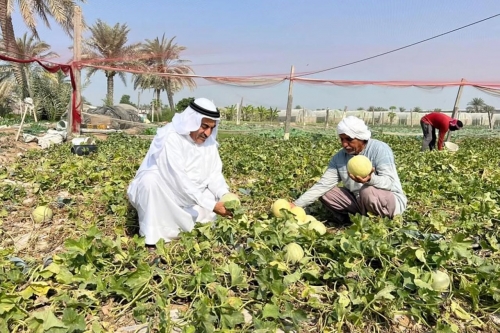
Who Grows Bahrain's Food?
TDT | Manama
Email: mail@newsofbahrain.com
Bahrain's old farming villages were not swallowed by the city — they held their ground. As the world marks only its second United Nations World Rural Development Day today, Bahrain arrives with a clear achievement: four of its agricultural villages have earned international recognition under the FAO's Villages Recognition Initiative, announced at the FAO World Conference in Rome earlier this year.
Each village underwent technical evaluation and field verification before receiving official certificates, and independent profiles were prepared on the FAO's MuNe Network of multifunctional villages.
Building on Scarce Ground
The recognition carries weight precisely because Bahrain has built this progress on demanding terms. Arable land is limited, water is scarce and the wider region imports much of its food. The National Initiative for Agricultural Development has met those realities head-on through modern agricultural technology, training, funding and direct grower support.
The results are measurable. Official figures put self-sufficiency at around 96 per cent in dates and 90 per cent in fish, while greenhouse farming accounts for a growing share of locally grown vegetables. Hydroponics and aquaculture are further reducing reliance on imports.
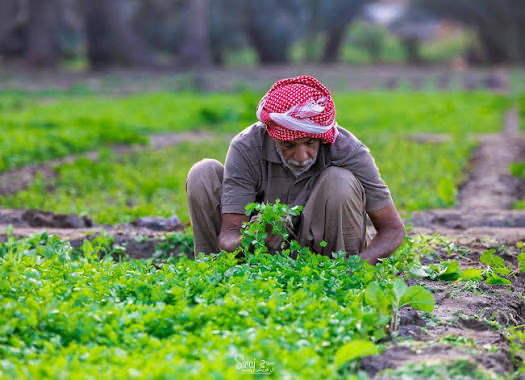
Bahrain is also opening the sector to a younger generation. Smart farming, agritourism, local markets and environmental education are giving villages fresh economic purpose without stripping away their identity. A Bahraini village does not compete on size — it competes on quality, heritage and innovation.
Restrained
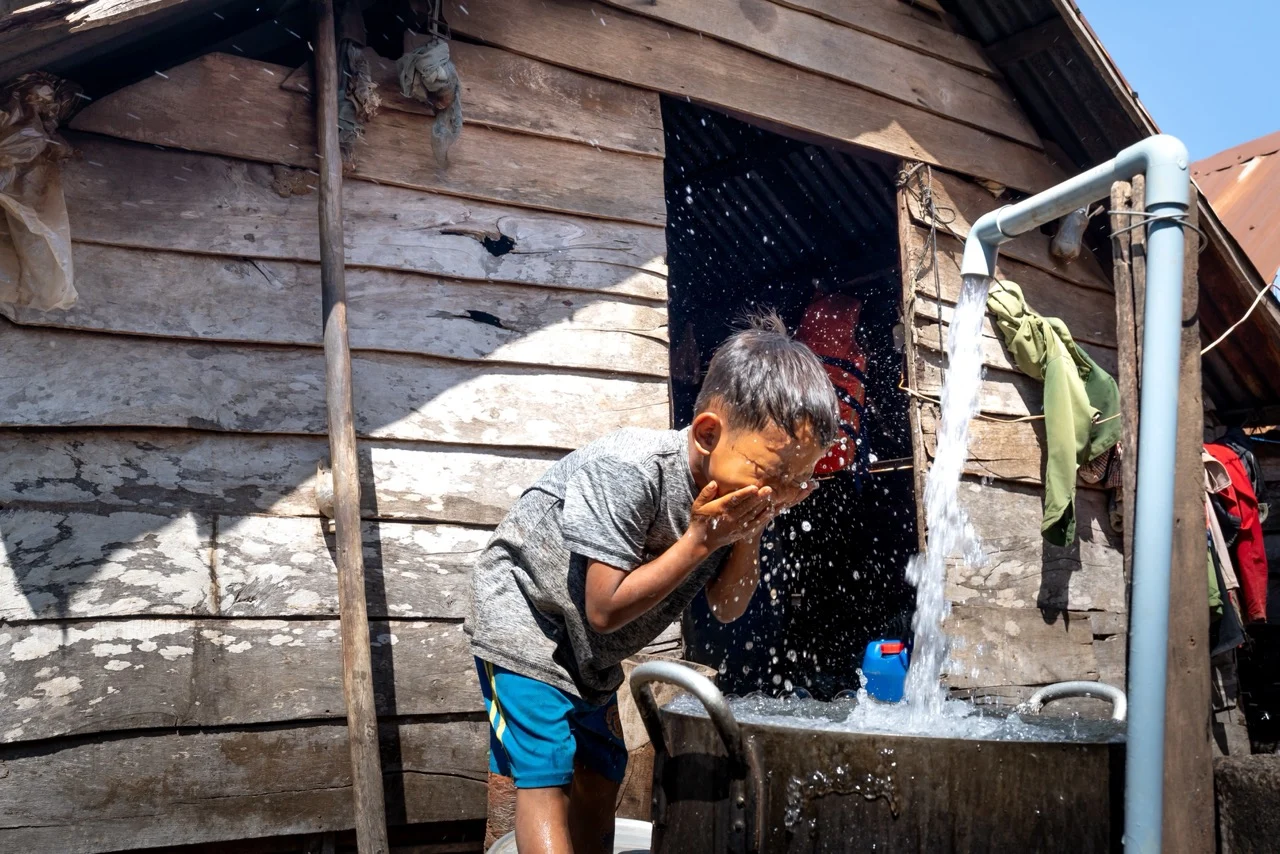
Bahrain's experience with water scarcity has shaped not only smarter farming at home but also a broader sense of responsibility abroad. Kaaf Humanitarian, based in the kingdom, operates water well projects in India, Bangladesh and Cambodia, alongside a desalination and well project in Gaza serving displaced families and surrounding communities. In Bahrain's view, rural development does not stop at its own borders.
World Rural Development Day may be global, but Bahrain has its own story to tell: villages that changed without disappearing, farms that thrive between houses and highways, and traditions renewed through technology and care.
Can Bahrain’s villages grow again?
These are not places merely to remember. They are living communities that continue to feed, teach and shape the nation.
xvxcv
Related Posts