

A Glimpse of Dilmun, the Ancient ‘Last Paradise’
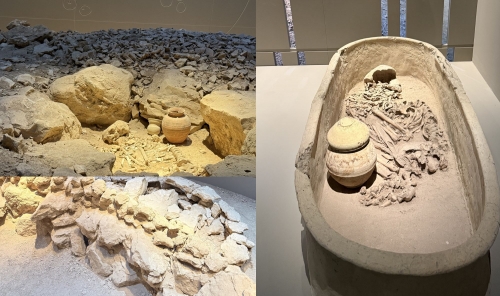
As part of International Museum Day celebrations, the Bahrain Authority for Culture and Antiquities invited visitors into the world of the ancient Dilmun Civilization through special tours and exhibitions. Among the highlights was the Hall of Graves, where centuries-old burial traditions, artefacts and beliefs surrounding the afterlife offered a vivid glimpse into one of the world's oldest civilizations.
Inside the Hall of Graves at the Bahrain National Museum, visitors explored one of Bahrain's most remarkable archaeological treasures — burial mounds dating back more than 4,000 years, all recognized under UNESCO World Heritage Status.
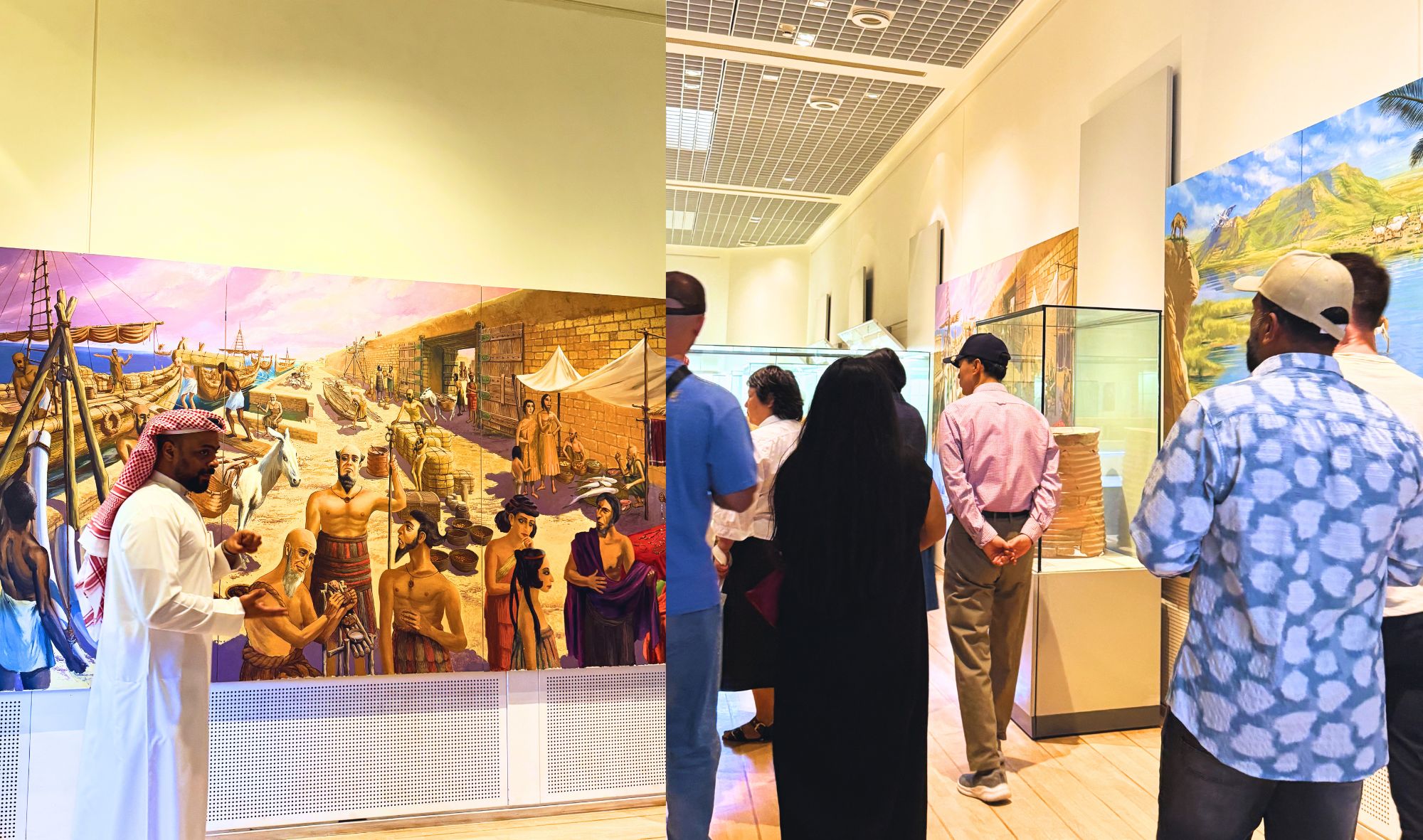
Museum guide Yusuf Alsaeed explained that civilizations across the ancient world believed Dilmun was the "last paradise," drawing people from distant lands and ancient trading civilizations to bury their loved ones in Bahrain in hopes of rebirth after death.
The exhibition traced Bahrain's historical identities through the ages. The island was known by different names throughout history, including Dilmun, Tylos and Awal, before the modern name Bahrain became established — meaning "two seas," referring to the saltwater sea surrounding the island and the freshwater springs once abundant beneath the ground.
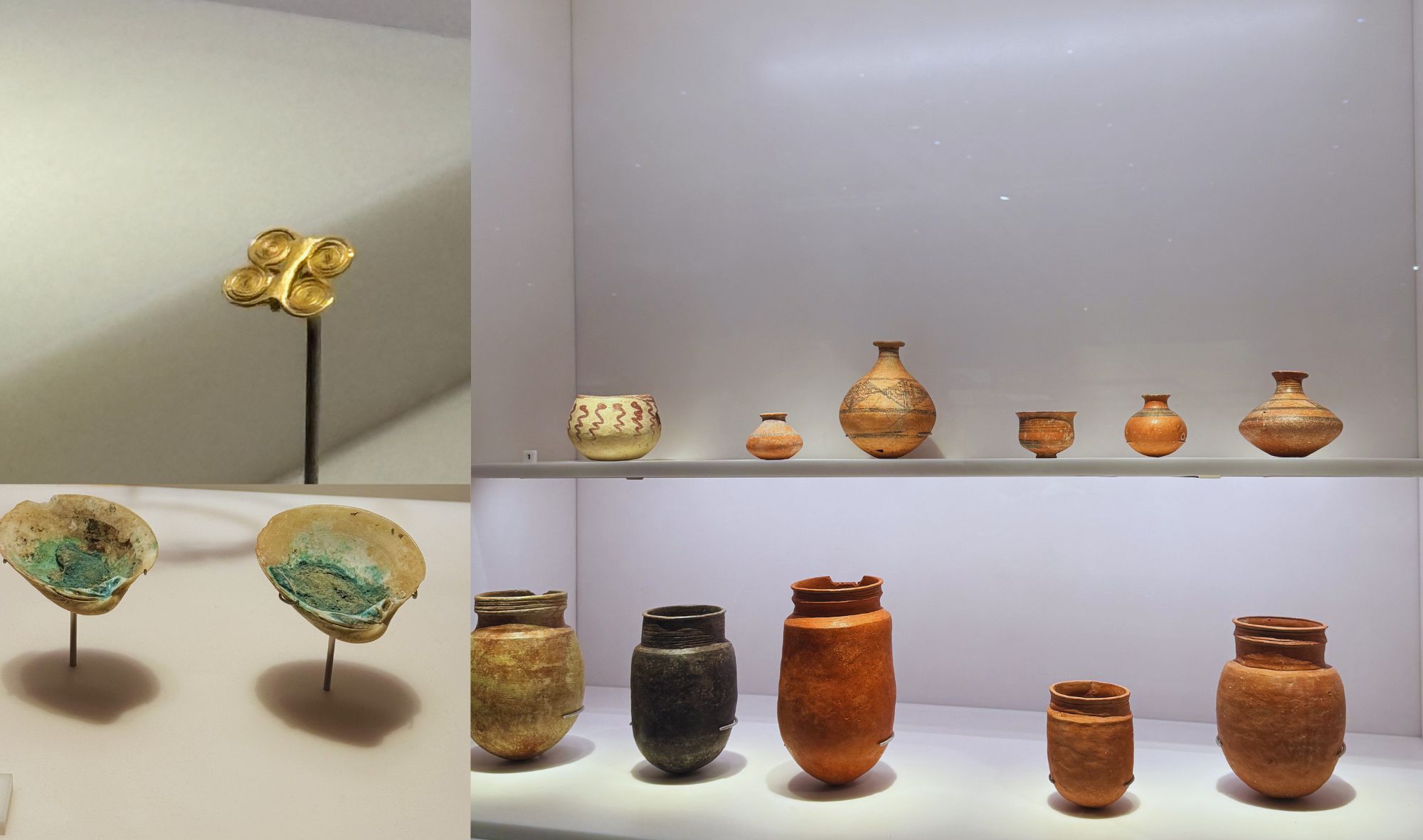
Artefacts discovered inside the graves revealed details of daily life and beliefs surrounding the afterlife. Warriors were buried with weapons, craftsmen with tools, and women with jewellery and cosmetics. One display featured green eye shadow preserved inside a shell container, showing how makeup was used thousands of years ago.
Among the highlights was the "Butterfly Gold Piece," an intricately crafted ornament dating back nearly 4,800 years, reflecting Bahrain's long history of craftsmanship and trade.
Visitors also learned how archaeologists study bones and pottery to uncover the origins of those buried. Bahrain's ancient spring water contained high fluoride levels, leaving distinct marks on bones and helping researchers determine whether individuals had lived on the island or arrived from abroad.
Related Posts