

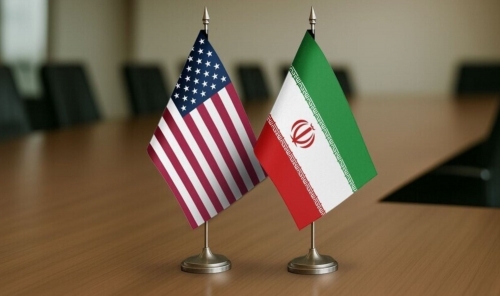
US-Iran Near 60-Day Ceasefire Deal as Strait of Hormuz Set to Reopen
The United States and Iran are reportedly close to signing a major agreement that would establish a 60-day ceasefire and reopen the strategically vital Strait of Hormuz, according to reports published by Axios and other American media outlets.
The proposed agreement is expected to temporarily ease regional tensions while creating space for renewed negotiations over Iran’s nuclear programme and economic sanctions.
According to the reports, the draft deal includes the full reopening of the Strait of Hormuz for international shipping without transit fees during the ceasefire period. Iran is also expected to remove naval mines reportedly placed in the waterway to ensure safe passage for commercial vessels.
In return, the United States would ease pressure on Iran’s economy by lifting restrictions on Iranian ports and issuing selected sanctions waivers, allowing Tehran to resume oil exports more freely during the 60-day period.
The agreement also reportedly includes Iranian commitments related to its nuclear activities. Tehran is said to have agreed in principle not to pursue nuclear weapons and to enter negotiations regarding the suspension of uranium enrichment and the removal of its highly enriched uranium stockpile.
Reports citing US officials said Iran conveyed verbal assurances through mediators outlining the concessions it may be willing to make during upcoming negotiations. However, details regarding the future of the uranium stockpile remain under discussion, with proposals reportedly including transferring the material abroad or reducing enrichment levels for civilian use.
The reports further stated that the administration of Donald Trump considers clear commitments on uranium enrichment essential for any preliminary agreement to move forward.
Meanwhile, US media reports indicated that military contingency plans targeting Iranian nuclear storage facilities had also been prepared in case diplomatic efforts collapse.
The developments come amid intensive diplomatic contacts involving regional leaders from Gulf and Middle Eastern countries, as efforts continue to secure a broader de-escalation agreement and prevent further conflict in the region.
Related Posts