

GCC and EU Hold Emergency Meeting Over Iranian Attacks and Regional Escalation
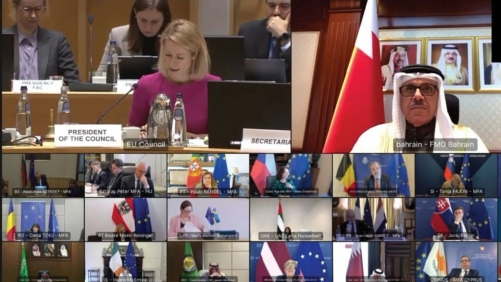
Foreign ministers from the Gulf Cooperation Council (GCC) and the European Union held an emergency meeting via video conference today to discuss the recent Iranian attacks targeting GCC countries and to review the latest developments in the Middle East.
The GCC side was chaired by Bahrain’s Foreign Minister, Abdullatif bin Rashid Al Zayani, who currently presides over the ministerial session of the Gulf Cooperation Council. The European side was led by Kaja Kallas, High Representative of the European Union for Foreign Affairs and Security Policy and Vice-President of the European Commission. The meeting was also attended by Jasem Mohamed Albudaiwi, Secretary-General of the GCC.
During the meeting, Al Zayani expressed appreciation for the solidarity shown by EU member states and many international partners toward GCC countries following what he described as unjustified and condemned attacks. He noted that the support reflects the strength of the partnership between the GCC and the EU, as well as the international community’s recognition of the GCC’s pivotal role in maintaining regional stability and supporting the global economy.
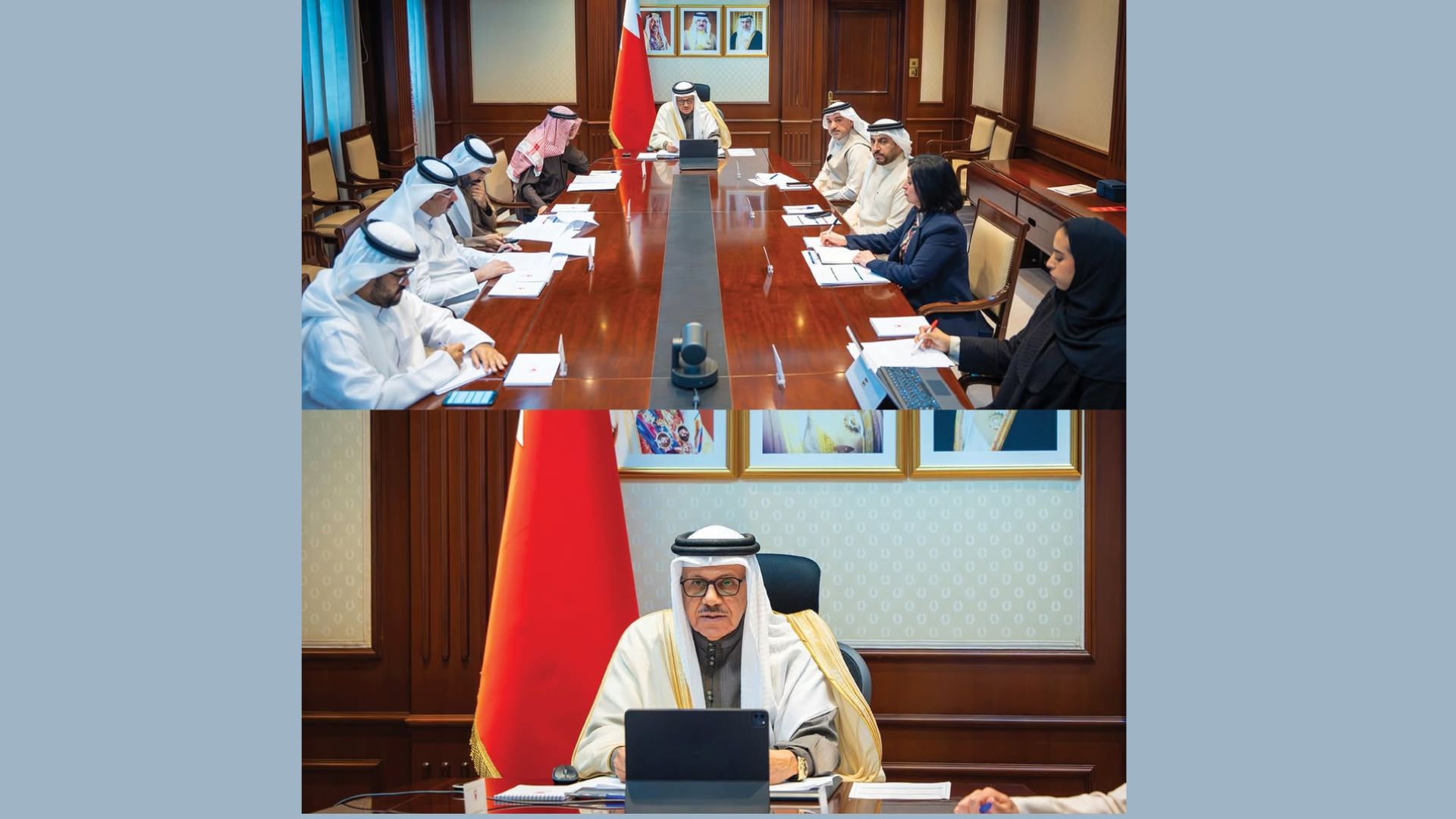
Al Zayani said the meeting comes at one of the most critical and challenging periods in the region, as GCC territories continue to face ongoing and unjustified attacks from Iran. According to the statement, more than 1,000 drones and hundreds of ballistic missiles have targeted civilian infrastructure across GCC states, including homes, hotels, shopping centers, ports, airports, and energy facilities.
The attacks have resulted in casualties, injuries, and significant material damage. The foreign minister praised the readiness and efficiency of the armed forces of GCC countries, highlighting their ability to confront the attacks with a high level of preparedness and effectiveness.
Officials from both sides also reviewed the broader regional situation and discussed the importance of continued coordination and international cooperation to maintain stability in the Middle East.
Related Posts