

Meat Prices Surge Ahead of Ramadan Feast
Lamb, beef, and traditional dishes drive prices and demand as Ramadan nears.
email: online@newsofbahrain.com
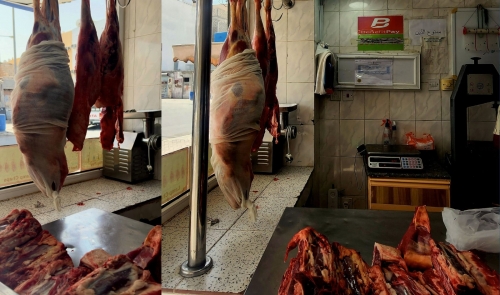
Manama: Ramadan round the corner, homes across Bahrain will soon be filled with the aroma of spices and the warmth of family gatherings, with meat taking center stage on Iftar tables. Among the beloved dishes, Salona served with fresh bread will shine as a hearty favourite, satisfying both tradition and taste. With demand set to soar, shoppers will not only think about flavour, they will watch prices and weigh the variety and quality of meat available this season.
Bahraini people consider lamb an essential ingredient in their cooking, especially during the holy month, using it in traditional rice dishes like Mandi, Salona, and Harees. Speaking to the Daily Tribune, a vendor highlighted that meat prices start rising from Rajab and continue to increase until Ramadan approaches, typically climbing by 300 to 500 fils per kilogram.
A closer look at Bahrain’s meat markets shows a clear taste for freshness, with chilled lamb flying off the shelves while frozen cuts remain a less popular, budget-friendly option. Kenyan lamb typically sells for around BD 3 per kilogram, while Australian lamb has seen an earlier-than-usual price jump, now going for about BD 3.2 per kilogram, up from BD 2.7, as shoppers rush to stock up ahead of Ramadan. Traders say Australian lamb remains the preferred choice for its freshness and quality, while some Kenyan cuts offer thinner ribs with less meat.
Top-rated Pakistani beef is priced at BD 2.5 per kilogram, with boneless cuts at BD 3, while Somali cattle are mostly sold for BD 65 as whole animals and weighing 13 to 15 kilograms, though they contain more fat than other varieties.
As Ramadan approaches, Bahrain’s markets come alive. Restaurants and caterers buy whole carcasses for nightly Iftar feasts, while families pick cuts that fit their size. The buzz grows as communities stock up for Mandi, Harees, and other traditional dishes. Traders warn that after Eid, demand drops fast, making leftovers harder to sell - so for now, it’s the busiest and priciest season of the year.
One of the buyers told the Daily Tribune, ‘We eat meat twice a week during Ramadan, but after Ramadan, it might be just once a week.’ This reflects how meat consumption in Bahrain peaks during the holy month and gradually returns to a more moderate pace afterward, highlighting both the cultural importance of meat in Ramadan and the practical considerations of households.
Related Posts