

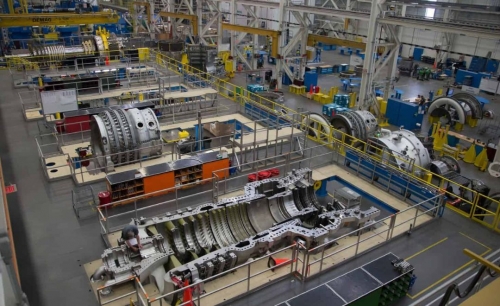
Manufacturing output could reach BD632m this year
TDT | Manama
Email: mail@newsofbahrain.com
Bahrain’s manufacturing output could reach about BD632 million in 2026, according to estimates published in the Trading Economics database, alongside a wider growth rate for the economy of close to 3 per cent next year.
Trading Economics’ published estimates, based on global statistical and economic analysis, point to moderate growth in factory activity in 2026 if supportive policies continue and the industrial investment climate improves.
The platform’s research-based projections link the expected pace of growth to expanding non-oil activity and continued investment in aluminium, petrochemicals and higher value-added manufacturing, with ongoing work on industrial infrastructure.
Separate official data show the non-oil economy remains the main driver.
GDP
Figures from the Ministry of Finance and National Economy and the Information and eGovernment Authority (iGA) put real GDP growth at about 2.5 per cent in the second quarter of 2025 compared with the same period in 2024, with non-oil activity up by around 3.5 per cent at constant prices.
In its second-quarter 2025 economic report, the government said non-oil activities accounted for more than 85 per cent of total GDP, in a sign of continued progress in widening the economic base and reducing reliance on oil as a key source of growth.
Within the non-oil economy, manufacturing remained a major part of output.
Output
At constant prices, manufacturing output was about BD543.70 million in the second quarter of 2025, compared with roughly BD535.21 million in the first quarter of the same year, according to the data.
Sector figures indicate manufacturing contributes roughly a fifth of GDP, supporting non-oil growth and jobs.
The figures sit alongside policy steps aimed at backing local industry in recent years, including customs exemptions for key raw materials used by industrial units, work to support industrial value chains, and efforts to expand the use of technology and digital systems.
Exports
The direction also matches the National Industrial Strategy for 2022–2026, which focuses on raising industrial exports, increasing value added, improving the competitiveness of locally made products, and creating higher-quality jobs in higher-value manufacturing.
The data and estimates come against a backdrop of cost pressures and competition affecting manufacturing at points during 2025, though the overall impact is described as limited compared with some service sectors.
Related Posts