

Parliament rejects bill for pre-marital mental health and drug tests
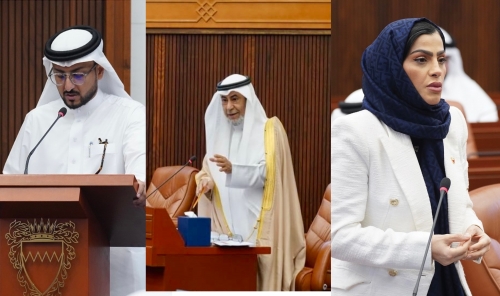
A controversial bill to widen pre-marital medical checks to include mental-health screening and drug-use tests was rejected by Parliament yesterday. The Services Committee’s advice to dismiss the text carried after the Ministry of Health and the Supreme Council of Health warned of practical and clinical hurdles, including confidentiality, the need for full psychiatric assessment rather than simple lab tests, and the risk of false positives where prescribed treatments contain similar substances. They noted the existing law targets conditions passed to a spouse or to children. MP Basema Mubarak, one of the sponsors, said the proposal drew on real cases.
“This proposal wasn’t put forward randomly,” she told the chamber. “It came after studying what is happening in Bahrain in terms of divorce, family breakups and the plight of women with unresolved marriages, often linked to mental-health problems or substance use. When a young woman marries a man, or a young man marries a woman, and one has such an issue, there is no harm in finding that out in the pre-marital check. “Bahrain’s pre-marital programme has already earned a name for cutting genetic illnesses such as diabetes and sickle cell and other chronic conditions.
After studying this proposal, I want to know the reason for the committee’s rejection.” Reasons Committee rapporteur MP Abdulwahid Qarata set out the panel’s reasons. “The proposed tests are not for conditions passed through marriage,” he said. “Mental health, drug use or the misuse of medicines are not transferred to a spouse or to children, so they fall outside the purpose of the current law. A psychiatric assessment is not a blood test. “It can take five or six clinical sessions. We live in a small society where families can ask about a prospective spouse, and in some cases recovery happens after marriage. Blocking marriages on this basis is not healthy.” Minister of Parliamentary Affairs, His Excellency Ghanim Al Buainain, said the current statute already provides scope to add tests without changing the law.
“The current text is enough,” he said. “It covers genetic and communicable diseases because they can pass to future generations. But when we talk about matters that may end once a person stops using a substance, I do not think we should put people through shame, screenings and legal burdens. The law also lets the minister add other diseases to the test list when needed, without tying everyone down with an amendment.”
Related Posts