

Starship Engine Failure Raises Questions Over NASA Moon Timeline
SpaceX’s latest Starship test achieved a major milestone by reaching orbit and deploying commercial satellites, but an engine failure has raised fresh questions about the vehicle’s readiness for future NASA missions to the Moon.
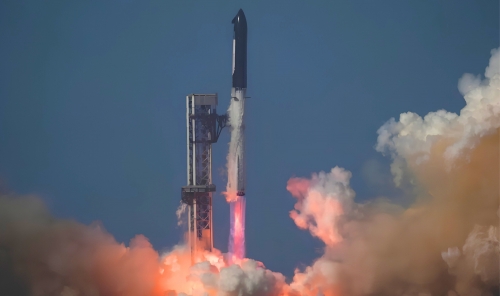
The 14th uncrewed Starship test flight launched from SpaceX’s Starbase facility in Texas on Monday. The spacecraft reached orbit and deployed 26 Starlink satellites, marking the first time Starship had successfully carried out an orbital satellite deployment.
The achievement was cut short, however, after one of Starship’s three main Raptor engines shut down shortly after the spacecraft separated from its Super Heavy booster. The mission, originally planned to last around 10 hours, ended after roughly three hours.
Engine failure
SpaceX now faces the task of determining why the Raptor engine failed and whether the problem is limited to the individual engine or points to a broader issue with the propulsion system.
The engine system is particularly important because the same technology is central to the Starship Human Landing System being developed for NASA’s Artemis programme.
NASA has selected SpaceX to develop Starship HLS to transport astronauts from lunar orbit to the Moon’s surface and back. The agency says Starship is being developed for Artemis III and Artemis IV.
NASA’s Moon plans
NASA’s current Artemis schedule calls for Artemis 3 in 2027, which will demonstrate key operations involving commercial human landing systems before the first crewed lunar landing. NASA currently targets Artemis IV for 2028, when astronauts are expected to descend to the lunar surface.
That makes Starship’s testing programme an important part of NASA’s preparations for returning astronauts to the Moon.
NASA is also developing a second commercial lunar lander with Blue Origin as part of its effort to maintain multiple human-landing-system providers.
A milestone with a setback
Despite the engine problem, the latest flight represented significant progress for SpaceX.
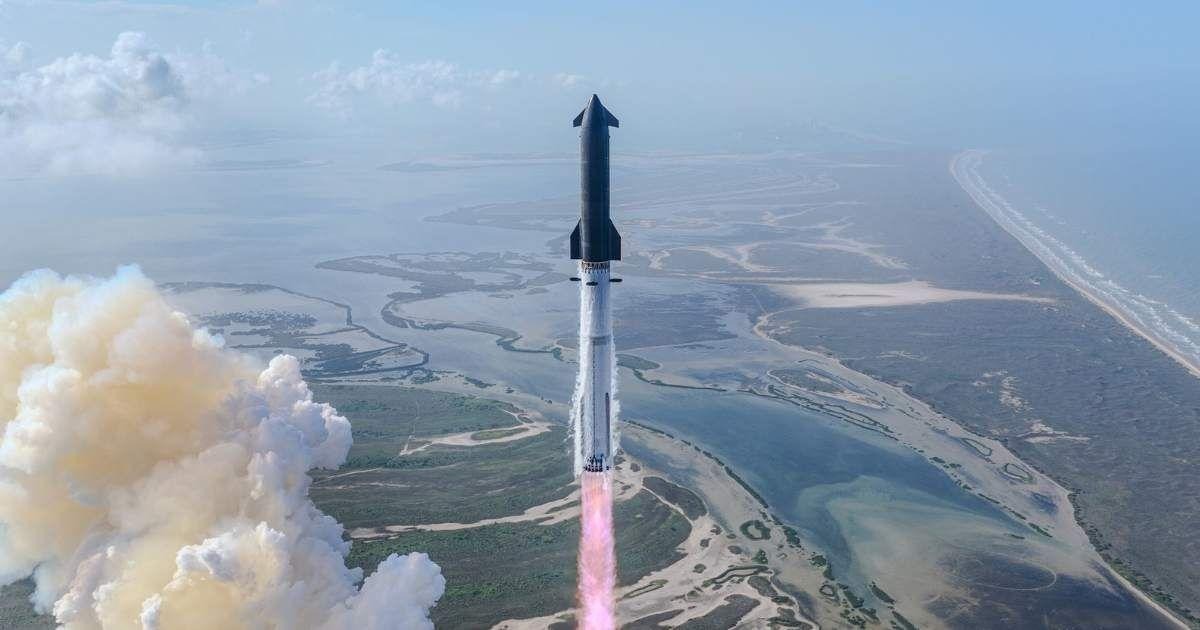
Starship reached orbit and successfully deployed its first commercial payload, demonstrating capabilities that the company will need for future missions. The Super Heavy booster also completed its flight and splashed down in the Gulf of Mexico.
NASA Administrator Jared Isaacman described the flight as an important milestone, while the cause and implications of the engine failure remain under investigation.
What happens next?
The immediate priority for SpaceX will be identifying the cause of the Raptor shutdown and determining what changes are needed before the next Starship flights.
For NASA, the issue is part of the broader challenge of ensuring that the Starship Human Landing System meets the agency’s safety and performance requirements before astronauts are placed aboard.
NASA says SpaceX must complete an uncrewed demonstration before Starship is used for a crewed Artemis lunar mission.
The latest flight therefore represents both a major step forward for Starship and another test of whether the vehicle can mature quickly enough for NASA’s lunar ambitions.
Related Posts