

GCC reroutes trade
Calls for coordinated international action to stabilise prices and strengthen logistics
TDT | Manama
Email: mail@newsofbahrain.com
The Gulf Cooperation Council (GCC) said Thursday that member states had moved swiftly to safeguard supply chains amid regional tensions by activating alternative logistics corridors and rerouting shipments away from Gulf ports.
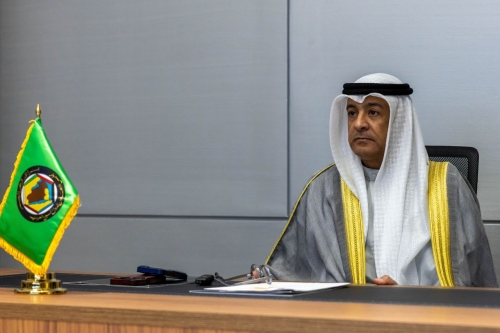
GCC Secretary-General Jasem Mohamed Albudaiwi said the measures included diverting cargo to ports on the Red Sea and the Arabian Sea, supported by coordinated customs and logistical facilitation to ensure the continued flow of supplies, particularly energy and fertilisers.
He was speaking during a virtual meeting on a new political initiative titled “Supporting Food Security and Access to Fertilisers,” attended by Italian Deputy Prime Minister and Foreign Minister Antonio Tajani and Croatia’s Foreign and European Affairs Minister Gordan Grlić Radman, current chair of the Mediterranean Group.
Albudaiwi said the meeting came “at a critical juncture,” citing what he described as Iranian attacks against GCC states and continued disruption to navigation in the Strait of Hormuz.
He said Iran and its regional allies had carried out nearly 7,000 attacks using ballistic missiles and drones over a 45-day period starting February 28, targeting civilian facilities, infrastructure and energy installations, including oil and gas assets.
“These actions have caused human casualties and material damage and have directly affected the stability of global energy markets and supply chains, particularly food commodities and agricultural inputs, foremost among them chemical fertilisers,” he said.
Disruption
Albudaiwi also said disruptions to maritime navigation had gone beyond the region, contributing to shortages in oil, gas and petrochemical products, and pushing urea prices up by 30 to 40 percent, posing a “direct threat” to global food security.
He warned that developing countries reliant on food and energy imports would bear the greatest burden amid rising inflation and sovereign debt pressures.
He added that the situation required coordinated international action, including price stability mechanisms and strengthened logistical cooperation to ensure uninterrupted flows of essential goods.
The GCC chief also welcomed UN Security Council Resolution 2817, which he said condemned the attacks and called for an immediate halt to threats against maritime navigation in the Gulf and the Strait of Hormuz.
He noted, however, that Iran had not complied with the resolution. Albudaiwi reiterated that dialogue and diplomacy remained the preferred path to resolving crises, urging Iran to respect the sovereignty of neighbouring states and refrain from interfering in their internal affairs.
Related Posts