

Austria’s Headscarf Ban Fuels Debate Over Rights and Identity
Email: online@newsofbahrain.com
Vienna: A proposed ban on headscarves for girls under 14 in schools in Austria has sparked widespread anger and concern, with critics warning it could further marginalise Muslim communities.
The legislation, approved by lawmakers in December, is set to take effect from the upcoming school year in September. The conservative-led government says the measure is intended to protect young girls from “oppression.”
However, rights groups, educators and legal experts argue the policy is discriminatory, risks deepening social divisions, and may violate constitutional protections.
According to the education ministry, teachers will be required to instruct students to remove headscarves if they are deemed in violation of the law. Cases of non-compliance must be reported to school authorities, who are then expected to meet with students and their guardians. Repeat violations could lead to fines for parents ranging from €150 to €800, while school staff who fail to enforce the rule may face legal consequences.
The government estimates that around 12,000 girls could be affected, though this figure has been questioned. Muslims make up roughly eight percent of Austria’s population, based on official data.
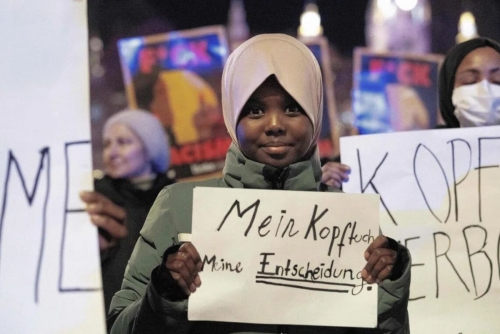
The move has triggered protests in Vienna, where demonstrators have accused authorities of targeting religious freedoms. Advocacy groups say the ban reflects broader anti-immigration sentiment and rising discrimination.
Critics also point to a similar 2019 headscarf ban in primary schools that was later struck down by Austria’s constitutional court. The Islamic Religious Community in Austria has indicated it will challenge the new law in court.
The controversy comes amid broader concerns about rising intolerance. A 2024 report by the European Union Agency for Fundamental Rights found that Muslims in Austria experience some of the highest levels of discrimination in the European Union.
With Inputs from AFP
Photo Credit: AFP
Related Posts