

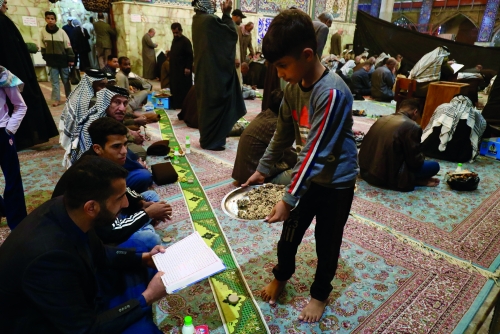
Ramadan philanthropy in the Gulf: A season of expansive giving
As Ramadan unfold s across the Gulf region, generosity becomes one of the most visible expressions of faith. Beyond the spiritual discipline of fasting, the holy month is widely regarded as a season of giving, when acts of charity multiply and communities mobilize to support those in need. From large-scale humanitarian campaigns led by foundations and royal initiatives to neighborhood-level food drives, philanthropy during Ramadan reflects a deeply rooted cultural and religious tradition.
In Islam, charitable giving is not only encouraged but institutionalized through zakat, the obligatory almsgiving considered one of the Five Pillars of Islam. Ramadan, believed to be a time when good deeds are rewarded manifold, inspires many individuals and organizations to fulfill their annual charitable commitments. Across Gulf societies, this results in a surge of donations aimed at alleviating poverty, supporting healthcare initiatives and expanding educational opportunities both locally and abroad.
Leadership and Institutional Initiatives
Governments and royal charitable foundations across the Gulf often spearhead expansive Ramadan campaigns, distributing food aid, financial assistance and medical support to vulnerable populations. These initiatives frequently extend beyond national borders, reflecting the region’s growing role in global humanitarian assistance.
Large-scale food distribution programs become a common sight, with trucks delivering essential supplies to low-income families and migrant communities. Ramadan tents offering free iftar meals operate nightly in major cities, welcoming thousands regardless of nationality or background. Such initiatives embody the Islamic principle of compassion while reinforcing social cohesion within increasingly diverse societies.
Observers note that philanthropy in the Gulf has evolved into a highly organized sector, supported by professional institutions that emphasize transparency, accountability and measurable impact. Digital donation platforms now allow contributors to track how their contributions are used, enhancing public trust and encouraging wider participation.
Community Spirit and Grassroots Giving
Alongside institutional efforts, grassroots charity plays an equally important role during Ramadan. Families prepare extra meals for distribution, youth groups organize volunteer drives, and mosques coordinate collections for struggling households within their neighborhoods. These smaller acts of kindness often occur quietly, reflecting a cultural preference for humility in giving.
Volunteerism rises significantly during the holy month, with residents dedicating evenings to packing food parcels, serving meals or supporting charitable events. For many participants, these activities form an essential part of the Ramadan experience, reinforcing empathy and social responsibility.
In cities with large expatriate populations, community organizations also work to ensure that migrant workers — many of whom are far from their families — are included in Ramadan celebrations through shared iftars and assistance programs.
Technology and the Digital Transformation of Charity
Technology has reshaped how philanthropy operates during Ramadan. Mobile applications and online platforms now allow donations to be made instantly, often within minutes of charitable appeals appearing on social media or television broadcasts. Crowdfunding initiatives have enabled smaller organizations to reach broader audiences, expanding the scope of charitable impact.
Artificial intelligence and data analytics are increasingly used by charitable organizations to identify areas of greatest need and optimize resource distribution. This modernization reflects a broader trend in the Gulf toward combining tradition with innovation, ensuring that charitable practices remain effective in a rapidly changing world.
Beyond Charity: A Culture of Responsibility
Ramadan philanthropy in the Gulf extends beyond financial giving to encompass social responsibility more broadly. Corporations launch community outreach initiatives, sponsor public iftar programs and partner with charities as part of corporate social responsibility strategies.
Many businesses view Ramadan as an opportunity to reinforce ethical values and strengthen their connection with society. Religious scholars emphasize that the ultimate goal of charity during Ramadan is not only immediate relief but long-term social balance. By encouraging generosity and empathy, the month fosters a culture where wealth circulates more equitably and communal bonds are strengthened.
A Legacy of Compassion
While charitable activity peaks during Ramadan, its influence often lasts throughout the year. Many initiatives launched during the holy month evolve into permanent programs addressing education, healthcare and poverty alleviation. The sustained impact highlights how Ramadan serves as both a spiritual catalyst and a practical driver of humanitarian action.
In the Gulf, where rapid economic development has transformed societies within a generation, Ramadan philanthropy remains a powerful reminder of enduring values. It reflects a collective commitment to compassion, dignity and shared responsibility — principles that continue to shape the region’s identity far beyond the fasting hours of the holy month.
As lanterns illuminate city streets and communities gather nightly to break their fast, acts of giving quietly weave a parallel narrative of hope and solidarity, defining Ramadan not only as a time of devotion, but as a season of expansive generosity.
Related Posts