

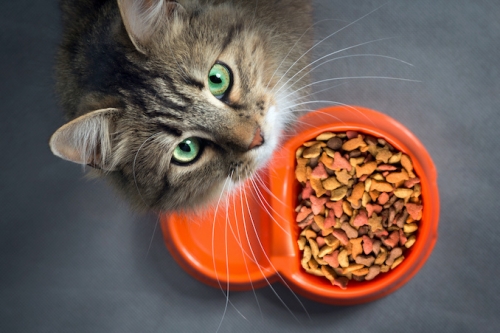
Metal Content in Pet Food: What Owners Need to Know
A 2025 study spotlights an often-overlooked aspect of pet nutrition: the presence of metals in commercially available pet food. While regulatory standards are in place, a portion of products have been found to contain levels of certain metals that exceed international safety guidelines. This is not a widespread alarm about toxic poisoning, but a call for greater awareness about long-term dietary health.
Metals like zinc, iron, and copper are actually micronutrients critical for a pet's health, helping with everything from blood circulation to the immune system. The majority of the reported exceedances in the recent study were for these essential metals. The concern is not about the metals themselves, but their quantity. Prolonged, excessive intake of even essential metals can lead to long-term health issues like kidney damage or neurological problems, especially in smaller breeds or pets with existing organ issues.
Why does dry pet food tend to have higher concentrations of metals than wet food?
- Low Moisture: Dry food has very little water. This means all the ingredients, including essential nutrients and trace amounts of metals, are packed more densely per spoonful than in moisture-rich wet food.
- Ingredients: The inclusion of ingredients like grains, legumes, and certain vegetable by-products can contribute to the overall metal content.
- Longer Storage Time: In hot regions, extended storage can potentially lead to trace amounts of metal leaching from the packaging into the food.
Simple Steps Pet Owners Can Take For Pet Food Safety
You don't need a lab test to improve your pet's safety. Making informed choices can minimize potential risks:
- Rotation: Avoid feeding your pet the exact same food, day after day, year after year. Try rotating between a few different wet and dry food choices and formulas. This balances their diet and prevents the buildup of any single contaminant found in one specific product.
- Vary Protein Sources: Red meats and organ meats naturally contain higher levels of iron, copper, and zinc. But rotating between meat, poultry and fish can help moderate your pet’s intake of these specific elements.
- Read the Label: Look for brands that are well-regulated and have a good reputation for quality control.
- Talk to Your Vet: If your pet has a pre-existing health condition (especially kidney disease), consult your veterinarian for the best long-term nutritional plan.
By taking a thoughtful, varied approach to your pet's diet, you can support their well-being and help ensure they get the right balance of nutrients without excessive exposure to any one element.
Related Posts