

Flatten hierarchy to survive
Companies have been advised to simplify their managerial hierarchies to survive in the tough environment due to recent oil price crash.
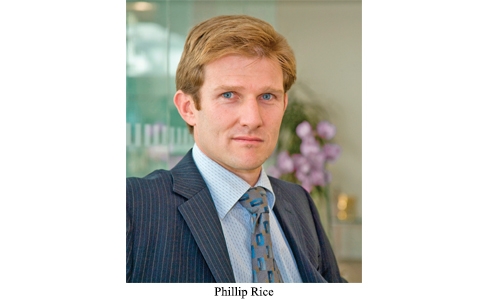
Phillip Rice, organisational expert at PA Consulting Group, advised the companies to reassess the hierarchical requirements and restructure it in order to achieve better results.
He said that adoption of organisational structure by companies in the region from military or civil service organisations might have resulted in many of the current practices.
This means, companies follow grading and promotion policies grounded in “‘rank and file approach suitable for an annual intake of recruits and promotions based on time in service.”
“This creates a focus on managing the individual, not the structure of roles and hierarchy of the organisation. Changes are often made to an individual’s title and grade without any substantive change in the contribution they make to productivity. So there’s a breakdown between contribution and hierarchy.”
Another problem stems from the rapid growth that many organisations have enjoyed in recent years. As each department or function grows, supervisors and managers expect their role to be pushed up the hierarchy.
“But good organisation hierarchy should be based on a limited number of levels of decision-making authority. An additional layer of management is only needed where the complexity or time horizon of decisions are substantively different,” he remarked.
“Failing to apply this approach leads to compression in roles, a lack of clear accountability and unnecessary cost,” he commented.
“Initiatives to improve efficiency, through better allocation of resources, must be based on a fundamental understanding of the hierarchy. Organisations that have taken this approach are not only realising reduced costs, but also greater clarity of performance measurement and improved employee satisfaction,” Rice explained.
“To reduce cost and improve effectiveness, organisations must first define their levels of decision making, then build the organisation structure bottom-up. The final step is to identify where specialist or supervisory roles are required to support decision making or co-ordination without adding additional layers to the hierarchy,” he added.
Related Posts