

Doctors Warn of Dehydration Risks During Hajj
Studies link long walking hours and high temperatures to fluid imbalance risks
TDT | Manama
Email: mail@newsofbahrain.com
Clinical studies from Hajj healthcare facilities consistently show that heat-related illnesses rank among the most common medical presentations during the pilgrimage, with dehydration and fluid imbalance emerging as key contributing factors.
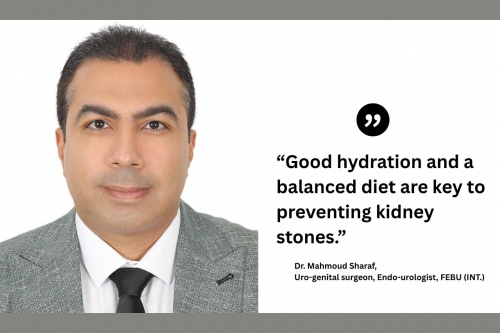
In a discussion with The Daily Tribune, urologist Dr. Mahmoud Sharaf noted that the risk of dehydration and kidney stone formation is further heightened during Hajj due to prolonged walking, high temperatures and heavy sweating. Many pilgrims also unintentionally increase their risk by limiting fluid intake to avoid frequent urination during rituals.
As urine output declines, minerals such as calcium, oxalate and uric acid become more concentrated, increasing the likelihood of crystal formation. Over time, these may develop into stones, leading to severe flank pain, urinary blockage, nausea or infection.
He stressed that hydration should be steady rather than excessive. “Small, frequent sips of water are far better tolerated than large volumes taken at once, particularly during long hours of movement and heat exposure,” he said.
For individuals with existing urological conditions—including urinary tract infections, kidney stones, ureteric stents, benign prostatic enlargement or indwelling catheters— dehydration can trigger sudden deterioration and acute complications.
He added that a simple but reliable hydration check is urine colour: pale yellow indicates adequate hydration, while darker concentrated output signals dehydration.
Related Posts