

Shura approves binding Gulf rules on plant genetic resources
TDT | Manama
Email: mail@newsofbahrain.com
Shura passed yesterday a draft law adopting a unified Gulf system for plant genetic resources used in food and agriculture, and agreed to send it on under an urgent track for completion through the usual state channels.
The bill approves the GCC Unified System (Law) on Plant Genetic Resources for Food and Agriculture, attached to Royal Decree No. 65 of 2025.
It sets out rules to record, classify, assess, document and protect plant genetic resources, control their movement into and out of GCC states, and ensure fair sharing of benefits from their use, while backing research linked to them.
Framework
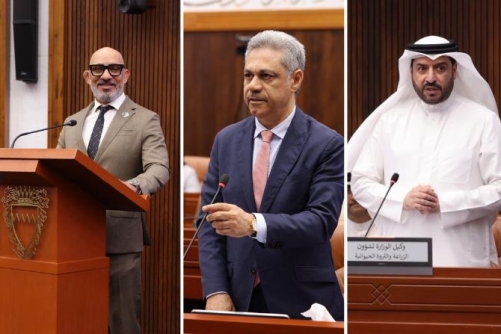
Redha Munfardi, rapporteur of the Public Utilities and Environment Committee, said the law was meant to complete Bahrain’s legal framework for protecting agricultural and food plant resources.
He said it seeks to protect the Kingdom’s plant and farming heritage and ensure Bahrain secures ‘a fair and equal share’ of benefits when these resources are used in research or industry, inside the country or abroad.
The lawmaker told members the draft also backs food security by putting in place a legal framework for protecting and using plant genetic resources in line with Bahrain’s regional and international obligations.
Crops
Dr Mohammed Ali Hassan, chairman of the Public Utilities and Environment Committee, credited the Ministry of Municipalities Affairs and Agriculture and its agriculture arm for its work on crops and related laws.
The lawmaker said the GCC system under discussion falls within Gulf coordination to protect agricultural heritage, following a 2022 GCC Supreme Council decision adopting the system.
He also pointed to Bahrain joining the related international treaty in 2024, and asked members to back the bill so the system can take effect.
System
Aasim AbdulLatif, Undersecretary for Agriculture and Animal Resources at the Ministry of Municipalities Affairs and Agriculture, said the unified system creates a binding framework to protect local agricultural resources and regulate the use of genetic information through licensing and penalties.
He said it was adopted by the GCC Supreme Council at its 43rd session in Riyadh in 2022 as a unified, binding law for member states.
AbdulLatif linked the move to the Gulf’s push for sustainable farming and food security, and spoke of the need to protect Bahraini farmers and preserve local resources.
“We must protect them,” he said, referring to the resources found in Bahrain.
He added that details on handling breaches and procedures would be set out in the executive regulations.
Plant genetic resources include material of plant origin that carries genetic traits, such as seeds, tissues and pollen.
The ministry has said these materials underpin food production and help develop crop varieties with stronger resistance to disease and better ability to cope with climate conditions.
Under the draft, the body in charge of applying the system would be named by decree, and a national committee for plant genetic resources would be formed.
The law also sets penalties for working with these resources without a licence, including bringing them into Bahrain, taking them out, or collecting them without permission, with courts able to order confiscation or destruction of offending materials.
Related Posts