

Bahrain to Review Health Service Fees for Non-Bahrainis
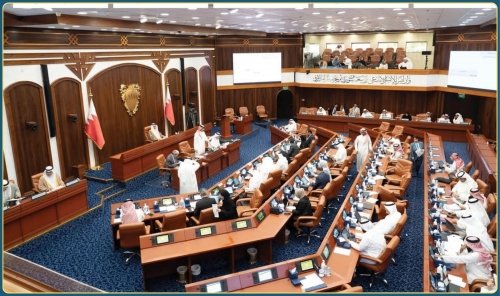
A group of Bahraini Members of Parliament have submitted an urgent proposal calling for an increase in the fees for all health services provided to non-Bahraini workers and visitors across the Kingdom. The proposal aims to enhance the operational efficiency and financial sustainability of the Kingdom’s public healthcare institutions.
In their explanatory note, the MPs stated that the current fees do not reflect the actual cost of services, placing a significant financial burden on the state budget. They noted that the Ministry of Health continues to shoulder high expenses while providing healthcare to non-Bahrainis at what they described as “symbolic” rates.
The lawmakers emphasized that revising the healthcare fees would help rationalize public spending, reduce indirect subsidies, and support the government’s efforts to achieve fiscal balance. The proposal, they said, would strengthen the sustainability of Bahrain’s public healthcare system.
The motion was submitted by MPs Khalid Saleh Buang, Mohammed Yusuf Al-Ma’arifi, Zainab Abdulamir Khalil, Ahmed Sabah Al-Salloum, and Hesham Abdulaziz Al-Awadhi. They pointed out that the growing number of expatriates and visitors has placed mounting pressure on government hospitals and health centers, largely due to the relatively low service fees. This, they argued, has led many residents to favor public facilities over private ones—resulting in overcrowding and affecting service quality and efficiency.
According to the MPs, increasing fees would encourage expatriates and visitors to turn to private healthcare providers, helping to ease congestion in public facilities and improve overall service delivery. They also highlighted that the move could free up more resources for preventive healthcare and national health initiatives.
The MPs stressed that the proposal seeks to achieve greater operational efficiency, financial sustainability, and improved service quality within Bahrain’s public health institutions. The initiative, they concluded, comes as an urgent response to the current financial challenges that directly affect the performance and sustainability of the Kingdom’s healthcare sector.
Related Posts