

Bahrain’s “Derasat” CEO Highlights Gulf’s Role as a Rising Middle Power
TDT | Manama
Email : editor@newsofbahrain.com
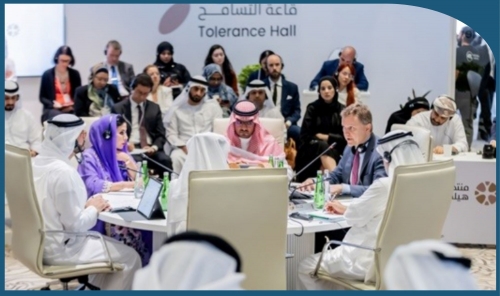
Abdullah Mohammed Al-Ahmad, Chief Executive of the Bahrain Center for Strategic, International and Energy Studies (Derasat), took part in the second edition of the Heyli Forum, held on Saadiyat Island in Abu Dhabi on September 8–9. The event was organized by the Emirates Center for Strategic Studies and Research in collaboration with the Anwar Gargash Diplomatic Academy, with broad participation from policymakers, experts, academics, and diplomats from around the world.
Speaking during a session titled “The Global Gulf: Middle Powers and Mediators”, Al-Ahmad emphasized that the Gulf Cooperation Council (GCC) states have firmly established themselves as middle powers, drawing on strong economic, political, and security foundations. This, he noted, has made them influential partners in shaping regional and international stability and development. He added that the GCC’s growing role in international mediation has enhanced its global standing as a neutral and effective actor.
Al-Ahmad highlighted that this position has strengthened the collective role of the GCC as a framework for regional security, while also fostering comprehensive approaches to crisis management. The Gulf region, he stressed, is no longer seen solely as a hub of energy resources but has become a model of balanced middle power diplomacy—bridging the needs of security and development with the demands of stability and change in the international system.
He underlined that global transformations place greater responsibility on Gulf think tanks to develop strategic visions, invest in intellectual diplomacy, strengthen research partnerships, and draw lessons from international experiences.
According to Al-Ahmad, the Heyli Forum serves as a distinguished platform for presenting GCC perspectives to international partners, building trust, and opening new avenues for cooperation in vital areas such as economic integration, technological innovation, and sustainable energy. This reflects the region’s evolution from being shaped by global equations to actively shaping them.
Derasat’s participation, he said, reflects the center’s commitment to expanding its network of partnerships with leading global think tanks and academic institutions. This effort strengthens Bahrain’s role as a bridge for intellectual and diplomatic dialogue at both regional and international levels.
Related Posts