

Buri Residents Welcome Master Plan to Transform Village into Modern City
MP Dr. Muneer Sroor and residents of Buri have expressed their satisfaction with the proposed Buri Master Plan, which promises to transform the area into a modern city with an advanced transport network.
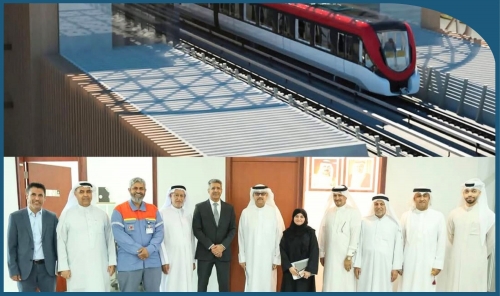
During a recent meeting with Ahmed Al Khayyat, Chief Executive of the Urban Planning and Development Authority, residents welcomed the project’s features and reassurances. Al Khayyat confirmed that historical sites, mosques, and cemeteries will be preserved, including the eastern part of Buri Cemetery, Ain Huwis Mosque, and Al-Juwailiya Mosque.
Dr. Sroor noted that around half of the plan is dedicated to farmland, which will be offered through the government’s land investment platform, helping preserve the area’s agricultural identity. He also called for priority to be given to local residents in the new central market and in the allocation of housing and farmland. Additionally, he suggested a dedicated housing project for Buri families to protect the community’s social fabric.
The project includes major developments such as the King Hamad Metro Station, which will serve as the Kingdom’s main hub, and Bahrain’s largest central market, equipped with a modern logistics zone to handle supplies.
Al Khayyat emphasized that the Buri plan is one of the most significant among the 96 master plans recently completed, with input from an international consultancy. Covering five square kilometers, it balances modern infrastructure with the preservation of Buri’s heritage, green spaces, and natural springs.
The plan also features Buri Path, a scenic route passing through archaeological sites, springs, and greenery for visitors to enjoy. A major road network will link Buri to Salmabad, Sheikh Zayed City, and A’ali, with multiple access points. Residential plots are also included in the southern part of the plan near Buri village.
Residents shared further suggestions during the meeting, showing their support while ensuring that the area’s identity and community needs remain central to the project’s development.
Related Posts