

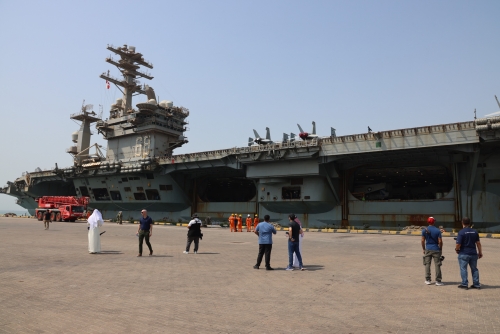
USS Nimitz Strike Group Arrives in Bahrain, Underscoring U.S. Commitment to Gulf Security
TDT | Manama
Email: mail@newsofbahrain.com
The towering presence of the USS Nimitz (CVN 68), flagship of Carrier Strike Group 11, alongside destroyers USS Gridley (DDG 101) and USS Lenah Sutcliffe Higbee (DDG 123), at Khalifa bin Salman Port this week is more than a rare port call, it’s a statement of enduring U.S. commitment to regional stability in the Gulf and beyond.
In an exclusive onboard interview with the Daily Tribune, Rear Admiral Frederic C. Goldhammer, Commander of Carrier Strike Group 11, discussed the group’s recent operations and the broader significance of their presence in the region.
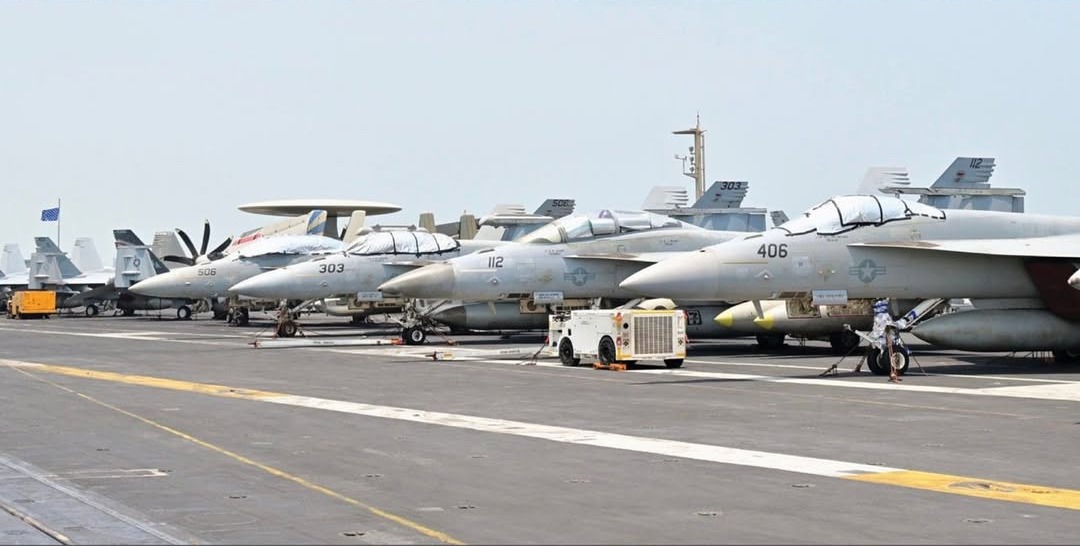
Originally deployed in the U.S. 7th Fleet’s Indo-Pacific area of responsibility, the Nimitz Strike Group was called to the U.S. 5th Fleet region just over a month ago in response to heightened maritime security concerns. While operational specifics remain classified, Admiral Goldhammer underscored the purpose, deterrence, stability, and reassurance for allies.
“There is a saying in the Navy, anytime there’s a crisis in the world, the first question the President asks is, ‘Where is the nearest aircraft carrier?’” he said. “Our mission is to project strength, deter threats, and ensure that freedom of navigation remains unchallenged. Success for us means never having to fire a shot, but making sure the peace holds.”
The Admiral acknowledged the ongoing challenges facing Gulf waters and the Red Sea, where attacks on shipping have underscored the vulnerability of critical maritime routes. With 90% of global trade dependent on free and secure sea lanes, he stressed that any disruption in the region has global economic consequences.
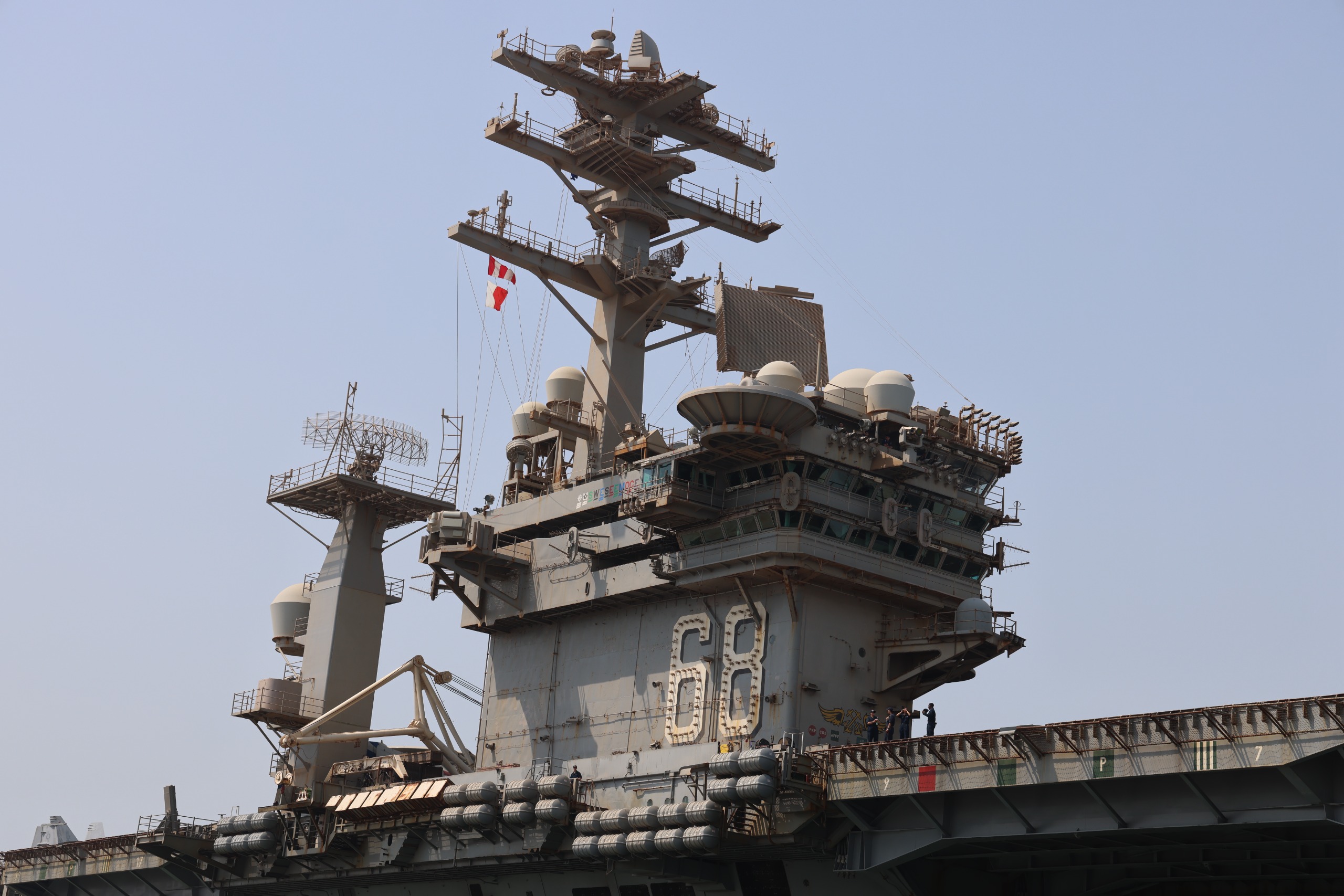
“Our presence here, just like that of the Vinson Carrier Strike Group before us sends a clear signal, the U.S. stands with its partners to maintain open sea lanes and regional security,” he said.
The visit also carries a symbolic weight. It has been a few years since a U.S. carrier strike group last docked in Bahrain, and the crew was eager to experience the Kingdom’s hospitality. “This is more than just a port visit,” Admiral Goldhammer emphasized. “It’s a demonstration of trust, interoperability, and shared purpose with Bahrain, a steadfast partner for decades. The support we receive here directly contributes to our ability to deter aggression and maintain maritime security.”
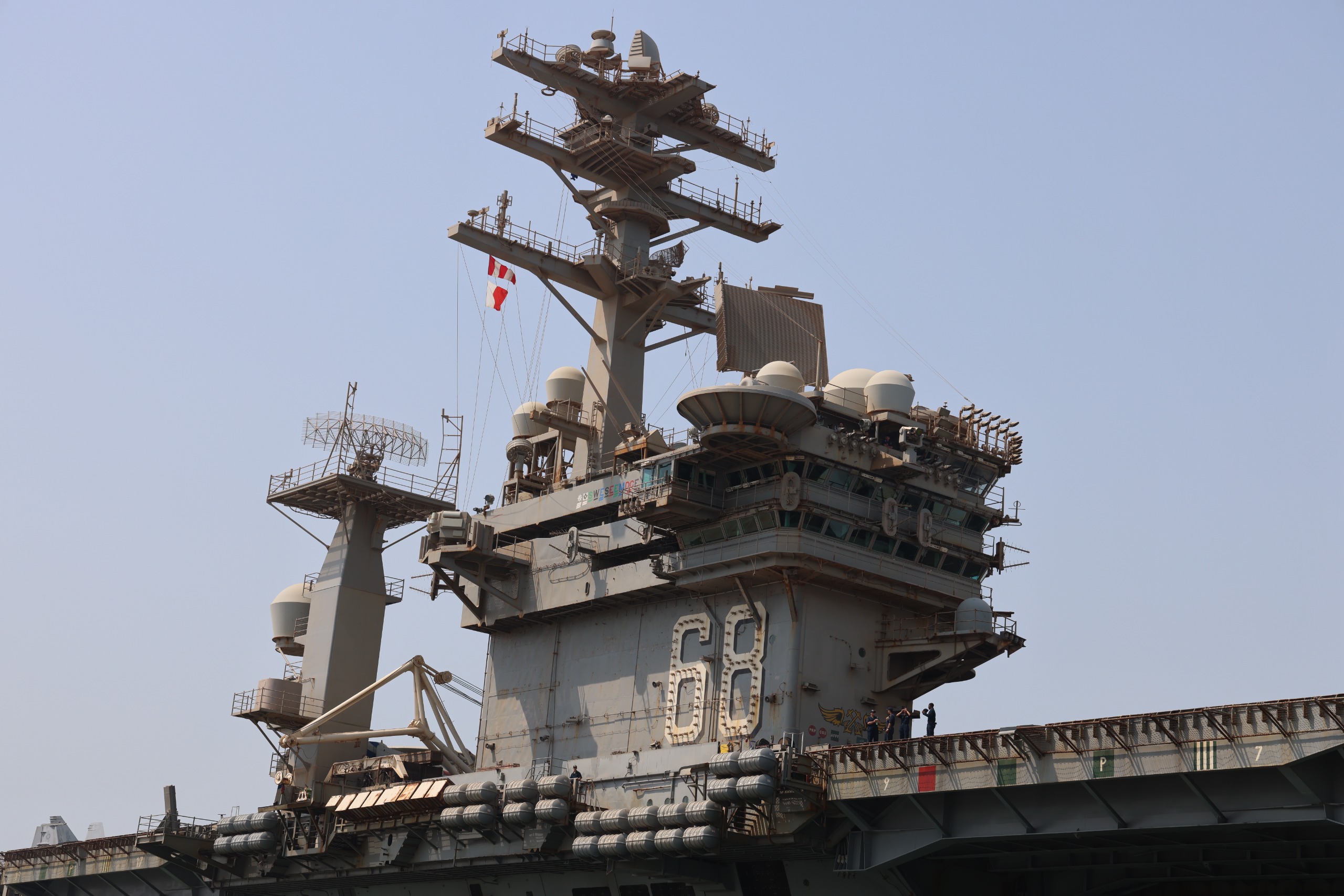
While the Nimitz, at 51 years old, is approaching the end of its service life, the Admiral confirmed it remains fully mission-capable. Discussions on decommissioning will unfold in the coming years as newer Ford-class carriers take its place, but for now, the Nimitz continues to serve as a “capital ship, an instrument of national power.”
As the sailors of Carrier Strike Group 11 disembark for their Bahrain visit, the message from their commander was clear, the U.S. Navy’s presence in Gulf waters remains a stabilizing force, one aimed at ensuring peace, open trade, and the safety of one of the world’s most strategically vital waterways.
The long standing bilateral relationship between the United States and Bahrain, spanning over 70 years, highlights the importance of close partnerships built on shared values and common goals. This strong alliance has led to key agreements such as the Comprehensive Security Integration and Prosperity Agreement, which provides a framework for defense and security cooperation rooted in a mutual commitment to peace and stability across the Middle East.
Related Posts