

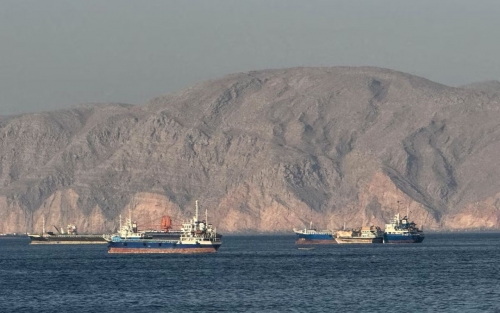
Iran, Oman Near Deal on Strait of Hormuz Shipping Framework
TDT | Manama
Email: mail@newsofbahrain.com
Iran and Oman are reportedly close to finalising a bilateral framework to manage maritime traffic through the Strait of Hormuz, one of the world’s most strategically important shipping routes.
Iran’s Foreign Ministry described the negotiations as strictly bilateral talks between the two coastal states, stressing that the discussions are independent of any U.S. demands or political timelines.
According to Iranian and regional officials, the proposed framework would establish separate shipping channels for inbound and outbound vessels. Ships entering the Arabian Gulf would reportedly use a route closer to Iran’s coastline, while outbound vessels would travel through a corridor near Oman after notifying Iranian authorities. The arrangement would provide Iran with oversight of maritime traffic while allowing Oman to play a coordinating role.
Officials also said the proposal includes an intermediate shipping corridor that would replace the existing northern and southern routes once implemented. The framework may introduce service charges to cover security, environmental protection and operational costs, with revenues reportedly shared equally between Iran and Oman. However, U.S. officials have disputed Iranian claims regarding vessel approvals, permissions and fees.
Iran Rejects U.S. Position
Tehran dismissed suggestions that the Strait of Hormuz would reopen immediately under a U.S.-backed agreement, insisting that any full reopening must be linked to the lifting of U.S. naval restrictions on Iranian ports and broader understandings between the two sides.
Oman has remained cautious in its public statements and has not officially confirmed all aspects of Iran's account of the negotiations.
Global Trade at Stake
The Strait of Hormuz, only about 33 kilometres wide at its narrowest point, serves as the primary gateway for a significant share of the world’s oil and liquefied natural gas exports.
Since regional tensions escalated, competing navigation arrangements have emerged. The United States has encouraged commercial vessels to use a southern route closer to Omani waters under the protection of allied naval forces. Iran, meanwhile, insists that shipping should follow routes under its supervision, arguing that it has a legitimate security role because much of the waterway lies within or alongside its territorial waters.
The differing positions have increased uncertainty for shipping companies, driving up insurance costs and raising concerns about potential disruptions to global energy supplies.
Draft Agreement Nearing Completion
Iranian Foreign Ministry spokesman Esmaeil Baqaei said the two countries have agreed on the geographical coordinates of the proposed shipping route and are finalising a joint statement outlining the framework. He added that the agreement could be announced soon if external parties do not interfere in the process.
If approved, the arrangement could provide a temporary mechanism for restoring confidence in commercial shipping while broader diplomatic negotiations continue. However, key questions—including vessel monitoring, intervention rights and operational authority—remain unresolved.
Related Posts