

A special approach to vulnerability
Bahrain is expanding special needs education with 54 new classrooms by 2025–2026, guided by its Constitution and Education Law. While hundreds of students with conditions like autism and Down’s syndrome are integrated with support, the current inclusion programme excludes those with learning difficulties or chronic illnesses, suggesting a selective rather than universal approach.
Bahrain’s commitment to integrating persons with special needs into the workforce is not merely a social gesture but a structured legal mandate. At the heart of this commitment is Law No. 74 of 2006, which serves as the legislative cornerstone for the care, rehabilitation, and employment of individuals with disabilities. This law ensures that inclusion moves beyond the classroom and into the professional sphere, treating these citizens as vital contributors to the Kingdom’s economic progress.
Bahrain has demonstrated a strong commitment to the integration of persons with special needs into the workforce, underpinned by a clear legal framework. At the core of this commitment is Law No. 74 of 2006, which provides the legislative basis for the care, rehabilitation, and employment of individuals with disabilities. This law extends inclusion beyond education, recognising these citizens as valuable contributors to the Kingdom’s economic development.
To facilitate employment opportunities, the government enforces a mandatory quota system. Following recent legislative amendments, private and public sector organisations employing 50 or more individuals are now required to allocate 4% of their workforce to qualified persons with disabilities, a significant increase from the previous 2%. Beyond securing employment, the law safeguards the quality of the work environment, ensuring employees are entitled to two hours of paid daily rest and receive equal pay and benefits. The Social Insurance Organization (SIO) also provides specialised retirement provisions, acknowledging that certain conditions may impact long-term career viability.
This legal framework is further supported by the Ministry of Social Development, which oversees vocational training programmes designed to align the skills of individuals with disabilities with the demands of the labour market. By embedding these rights and initiatives within the National Strategy for Persons with Disabilities, Bahrain reinforces workplace inclusion as a fundamental aspect of its national vision, fostering an environment where professional merit is valued above physical or intellectual challenges.
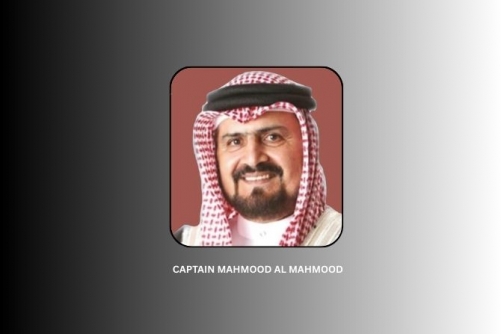
(Captain Mahmood Al Mahmood is the Editor-in-Chief of The Daily Tribune and the President of the Arab-African Unity Organisation for Relief, Human Rights and Counterterrorism)
Related Posts