

Annual Showers - Is Bahrain Prepared?
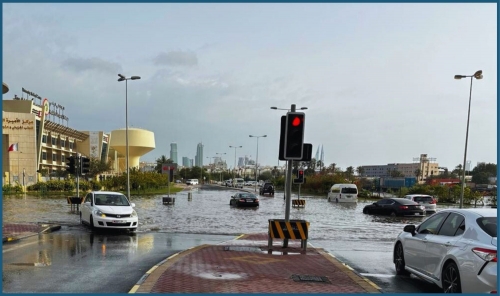
With winter showers approaching, the question returns every year: how ready is Bahrain for rainfall? While the island receives limited rain annually, even brief downpours can test drainage systems and road networks. Recent upgrades show progress, but certain challenges persist.
According to updates from numerical weather models, there are initial indicators of scattered rainfall on Friday and Saturday, 12 and 13 December, raising public attention toward seasonal readiness.
Historically, Bahrain has experienced a few notable extreme rainfall events. The highest annual rainfall on record was in 1976, totalling about 215.6 mm. The heaviest single-day rainfall occurred on 12 March 1995, with approximately 67.9 mm in a day. More recently, in April 2024, the island faced its second-highest downpour, recording about 67.6 mm over two days, with brief periods of extreme intensity that led to temporary flooding and disruptions. Older records also show extraordinary monthly totals, such as 106.8 mm in February 1988 and 146.8 mm in November 1940, illustrating that while rain is rare, intense events have occurred and can test the country’s readiness.
Across the Gulf region, heavy rain events have been making headlines. In Jeddah, Saudi Arabia, recent torrential rainfall and flooding markedly disrupted daily life, submerging roads, stranding vehicles, and prompting emergency responses, with waterlogging reported across many neighbourhoods. Authorities issued red alerts and deployed teams to manage flooding, signalling the impact that heavy rain can have even in arid climates. These events highlight broader regional challenges with sudden, intense rainfall and the importance of preparedness.
Over the past few years, Bahrain has expanded and improved drainage infrastructure in key areas, particularly in Manama, Isa Town, and Riffa. Storm drains are cleared ahead of the rainy season, and additional pumps and water tankers are deployed to areas known for water buildup. However, older neighbourhoods still depend on outdated systems that can struggle during sudden, high-volume showers.
Government agencies prepare early, activating rapid-response plans that include 24/7 monitoring, traffic alerts, and on-ground emergency teams to manage flooding, clear blockages, and assist motorists. This coordinated approach has helped reduce the impact and duration of rain-related disruptions.
Newer developments, such as Diyar Al Muharraq, Water Garden City, and parts of Amwaj benefit from modern infrastructure designed for better water flow and quicker drainage, keeping key districts accessible even during moderate rain.
Is Bahrain prepared? Increasingly, yes. Ongoing upgrades, improved planning, and growing community awareness are strengthening the country’s readiness each season. Still, the island’s flat terrain and limited natural drainage mean intense rainfall can cause temporary flooding, making long-term investment and preventive maintenance essential.
With potential showers forecast for mid-December, Bahrain’s improved systems and responsive teams will once again be put to the test, offering a clearer picture of how far the island has come in its rain preparedness.
Related Posts