

Weaving Bahrain’s Cotton History
A 2,300-year-old cotton tradition survives through Bani Jamra’s handloom weaving
TDT | Manama
Email: mail@newsofbahrain.com
More than 2,300 years after Greek writer Theophrastus described cotton growing on Tylos, the ancient name for Bahrain, the Kingdom's textile tradition continues through the looms of Bani Jamra.
Theophrastus wrote of trees producing wool-like fibre that islanders turned into cloth. Archaeological discoveries at Qal'at Al Bahrain, including cotton seeds dating to around 1000–500 BC and ancient spinning tools, provide evidence of the crop's early presence.
Cotton was also recorded in Bahrain during the 14th century by traveller Ibn Battuta. Although the fields eventually disappeared, weaving survived in villages including Bani Jamra, Abu Saiba and Dar Kulaib.
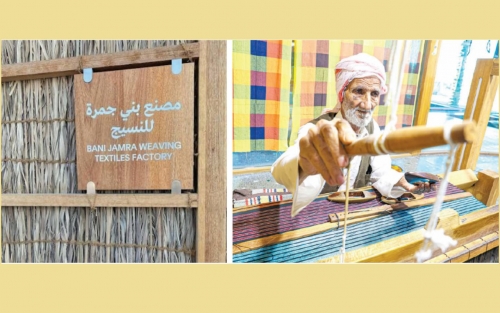
Bani Jamra once had more than 50 weaving workshops producing garments, including the traditional wezar and irdah, as well as fabrics used for boat sails. The craft was passed through generations, with experienced weavers once producing several shawls a day.
Efforts to preserve the tradition gained momentum with the opening of the Bani Jamra Weaving Factory in 2020. The centre provides weaving and spinning facilities, training spaces and a shop for local products.
Contemporary designers are also helping revive the craft by combining traditional hand weaving and natural dyes with modern designs. As Bahrain marks World Cotton Day, its ancient cotton story continues through the hands of today's weavers.
Related Posts