

MPs Study VAT Relief on Unpaid Invoices
Move aims to ease cash-flow pressure on businesses
Unpaid invoices would no longer leave suppliers owing VAT before they receive their money, under a bill being studied by Parliament’s Financial and Economic Affairs Committee.
It would add a new clause stating that the date of supply for goods or services provided to a government body shall be the date on which the supplier receives the payment.
The aim is to deal with a cash-flow problem faced by firms that raise invoices, book VAT liability, and then wait weeks or months for the money to arrive. In Bahrain, VAT can fall due once an invoice is issued, even though the payment itself may follow after one month, two months or far longer.
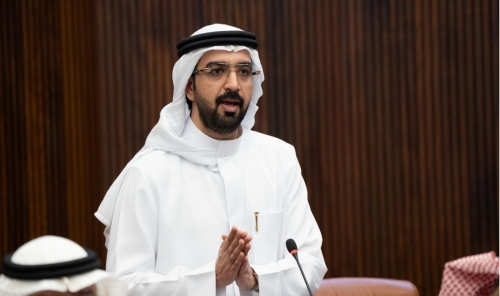
Mr Ebrahim said the issue was clear in dealings with government bodies, where invoice settlement could take long and uneven periods. ‘Government bodies settle invoices after differing and long periods, some stretching to three or six months, and in some cases more than a year,’ he said.
The bill would make payment, rather than the raising of an invoice, the tax point for supplies made to government bodies. Its supporters argue that this would stop firms from having to fund VAT out of their own cash while waiting to be paid.
Mr Ebrahim said the rule now being sought would help bring tax timing into line with the actual receipt of money.
‘It creates an added and unjustified financial burden that limits his ability to meet tax duties on time,’ he said.
The explanatory note attached to the bill says the change is meant to deal with a practical problem for suppliers and service providers who work with government bodies. It says the date on which VAT becomes due should match the date on which the supplier receives the actual payment for the goods or services supplied.
Mr Ebrahim said adding the new paragraph to Article 13 would ‘achieve tax fairness and support the business environment’, because the supplier’s tax duty would arise only once the payment from the government body had been received.
The proposal cites Article 15(a) of the Constitution, which states that taxes and public costs are based on social justice and paid under the law.
Related Posts