

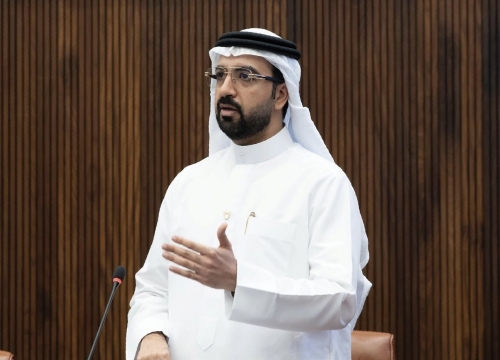
MP warns of shipping strain and building material shortages in Kingdom
TDT | Manama
Email: mail@newsofbahrain.com
Firms in Bahrain are facing steep extra shipping costs while the building trade is running into shortages of some materials, MP Hassan Ebrahim told Parliament, warning that the strain could feed through to prices in the local market.
Speaking during debate on a proposal calling for media plans for major accidents, disasters and emergencies, Ebrahim said regional tensions had led some global shipping lines to halt or reroute vessels heading to Gulf states.
As a result, he said, some cargoes were now being offloaded at other ports such as Khor Fakkan and Jebel Ali, leaving traders in Bahrain to bear warrisk fees, diversion charges and the cost of getting goods on to the Kingdom.
He said moving one container from Khor Fakkan to Bahrain could cost about $5,000, while the same journey from Jebel Ali could range from $1,000 to $3,000, with port delay fees on top.
“These challenges may place heavy pressure on commercial companies,” he said, adding that this could also push up the price of goods on sale in Bahrain.
Ebrahim said the building trade was also under strain because some materials had become hard to source.
The lawmaker said the sector was too important to be left exposed and called for steps to keep supplies flowing so building work and development did not slow.
He said any serious talk about disasters and emergencies had to cover supply lines as well, along with the part played by the Bahrain Chamber of Commerce and Industry in backing trade during such periods.
Ebrahim called for a close look at what the government was doing to help traders and keep goods moving.
The legislator also pressed for stronger public messaging in times of crisis.
He said Bahrain needed clear, well-drawn media plans to get information to citizens and residents quickly, raise public awareness and lift the country’s state of readiness.
“The economic wheel must keep turning even in times of challenge,” he said.
This period, he added, should not be treated as a pause or a holiday, but as one calling for harder work and a shared sense of duty.
He also spoke of cases in which citizens had tried to reach ministries by phone or email and got no reply.
That, he said, needed fixing to make sure public services kept running without harm to people’s interests.
In some cases, he said, ministers were contacted directly, and he praised their response and follow-up.
Related Posts