

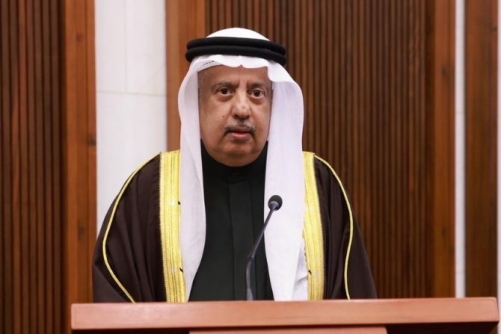
Six overseas universities brought to Bahrain
TDT | Manama
Email: mail@newsofbahrain.com
The Higher Education Council says six private higher education institutions have been brought into the Kingdom so far, with talks under way with two more about opening branches or offering their courses to students locally.
The figures were given in a written reply to a question from Shura Council member Dr Anwar Khalifa Al Sada, who asked how Bahrain attracts international university providers, how many have been secured, and what plans exist to expand that work.
He also queried how degree programmes and specialisms at private institutions are licensed to ensure they match labour market needs and economic priorities.
In its response, the council said Bahrain’s approach in higher education focuses on improving the quality of institutions and programmes, raising competitiveness regionally and internationally, and linking education to the needs of the economy, alongside efforts to build local skills and support knowledge transfer.
Programmes
It said its General Secretariat encourages higher education institutions to bring in high-quality international academic programmes through memoranda of understanding with reputable universities abroad, aimed at serving the requirements of the Bahraini labour market and keeping pace with scientific and technological change.
The council said the work is carried out under Law No. 3 of 2005 on higher education and its amendments, and Resolution No. 206 of 2023 issuing the regulation governing private higher education institutions.
It added that 83 hosted academic programmes are currently available, covering disciplines tied to national economic priorities and the Sustainable Development Goals, with procedures under way to open admissions for further new hosted programmes.
The council said its future expansion plan rests on three aims: developing the higher education sector to contribute more effectively to the national economy, increasing the competitiveness of university institutions, and attracting international students and global expertise.
On licensing, the council said policies and procedures are based on an integrated legislative and regulatory framework overseen by its General Secretariat, working with other government bodies, to ensure educational quality and the effectiveness of outcomes.
It said the Board of Trustees directs close checks on new programme applications to ensure they add real value to the economy, and urges institutions to update programmes regularly to keep pace with changing job and career patterns.
Applicants
The council said applicants are required to submit approved feasibility studies showing demand for the proposed specialism and its link to priority economic sectors.
It added that programmes must include clear, measurable learning outcomes, along with modern study plans combining theory with practical work and field training, with the aim of preparing graduates to enter the labour market.
It also said the licensing system puts weight on governance, transparency and financial stability, including the provision of approved guarantees, and encourages international academic partnerships to support knowledge transfer.
Related Posts